Skincare journal ·
Breakouts after a new skincare routine: what can cause them
When spots appear after you change products, the cause may be irritation, a formula that does not suit you or purging. Here is how to tell them apart and what to do before buying anything else.
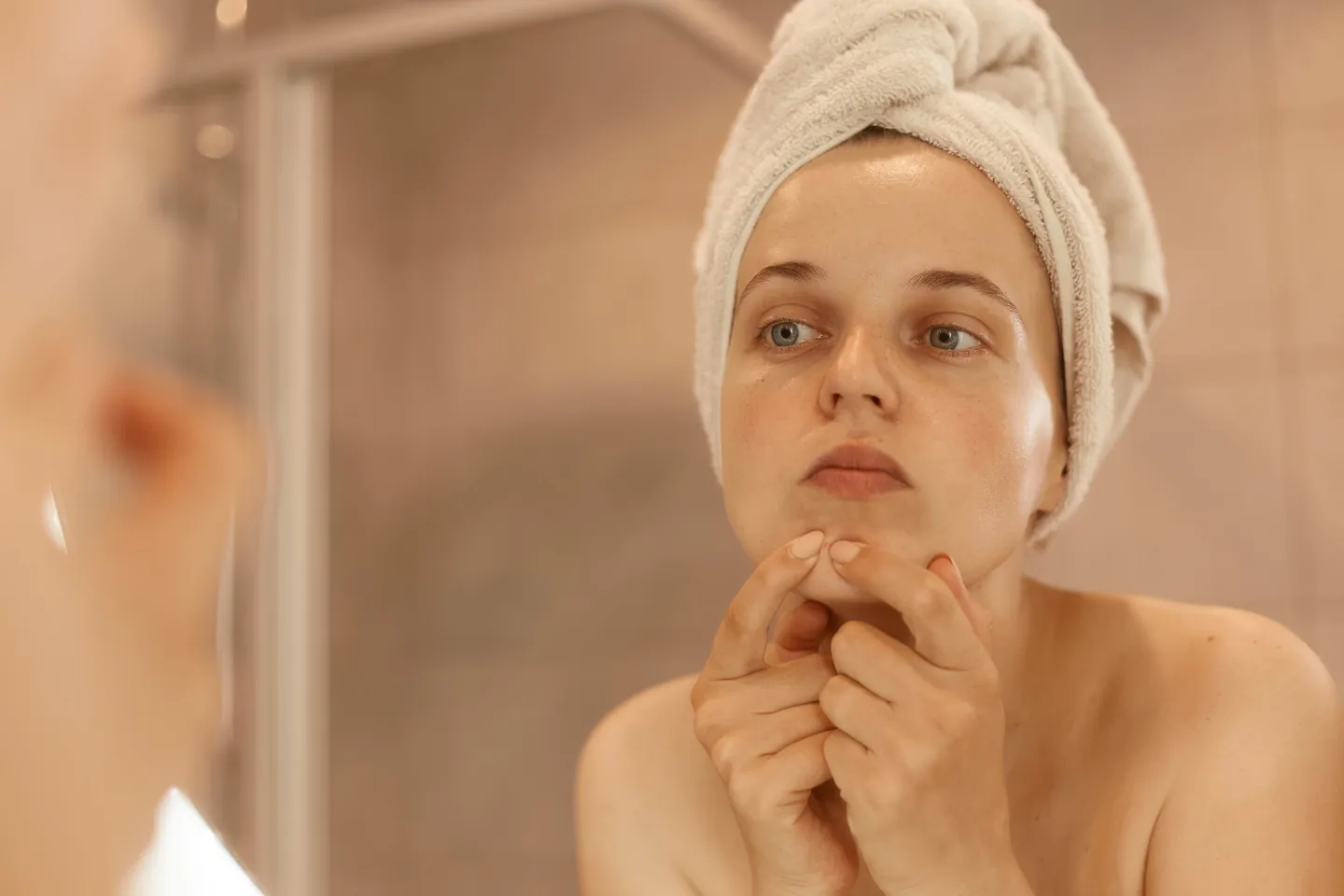
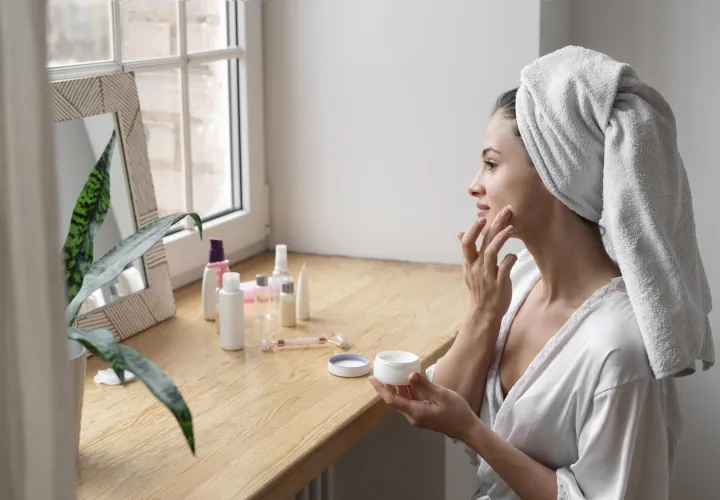
You chose your products carefully, you use them regularly, and yet the mirror shows more blemishes than before. It is discouraging, especially when the whole point was clearer skin.
A breakout after a change in routine can have several explanations: irritation, a formula that does not suit you or, in some cases, a temporary flare known as “purging”. It is not a good idea to assume your skin will simply “get used to it” and carry on no matter what. First look at three things: which products you added, how often you apply them and whether, besides spots, you also have stinging, redness or peeling.
Purging or a reaction to a product?
“Purging” describes breakouts getting worse for a while when you start ingredients that speed up cell turnover, mainly retinoids. In the first weeks of retinol, skin can look worse before the benefits show.
Keep in mind, though: spots after retinol are not proof of purging, because the ingredient can also irritate.
- An ordinary moisturiser has no reason to give you acne in order to “work”.
- The idea that skin is “pushing out toxins” does not explain a breakout.
- Pay attention to how comfortable your skin feels, not only to how many spots you count. If the reaction keeps growing, the routine needs rethinking.
Too many actives at once
If in the same week you add an exfoliant, a retinol serum and a spot treatment, your skin may stop tolerating them. Rushing for results also often means applying products too often.
Signs your skin is irritated:
- stinging that does not go away;
- redness, including on areas without spots;
- itching;
- peeling and a tight feeling.
If you are dealing with peeling and dryness after retinol, check how often you apply it and which other actives you use.
Do not keep using a product that gives you a strong reaction just to “get through purging”. If the treatment is prescribed, discuss any change with your dermatologist.
The formula may not suit you
A product others love can, in your case, encourage blemishes. Some formulas can clog pores, and a “non-comedogenic” label does not mean every skin will tolerate it.
Also think about what changed outside your skincare routine: a new foundation, styling products or other cosmetics that reach your face.
The type of lesion matters too. Painful nodules that stay under the skin should be seen by a dermatologist, especially if they keep coming back or leave scars; squeezing them can make the inflammation worse.
Before you buy more products for spots
Do not change your entire routine again. If you started three products at the same time, adding even more new ones makes the culprit harder to find. Simple steps:
- write down which new products you introduced and from what day;
- check whether several of them share the same active ingredient;
- keep the products your skin already tolerates;
- take photos of your skin now and then, in the same light.
If a new product causes persistent stinging or strong redness, stop it and ask a dermatologist for advice. Do not turn to scrubs or washing several times a day.
Acne treatments take patience: the first improvements usually show only after about 4–6 weeks. That does not mean ignoring a flare or discomfort.
What you can use, depending on what your skin needs
Choose care according to the problem you see. Excess sebum and congested pores need something different from dry skin that has been sensitised by actives. There is no need to start all the products below at once.
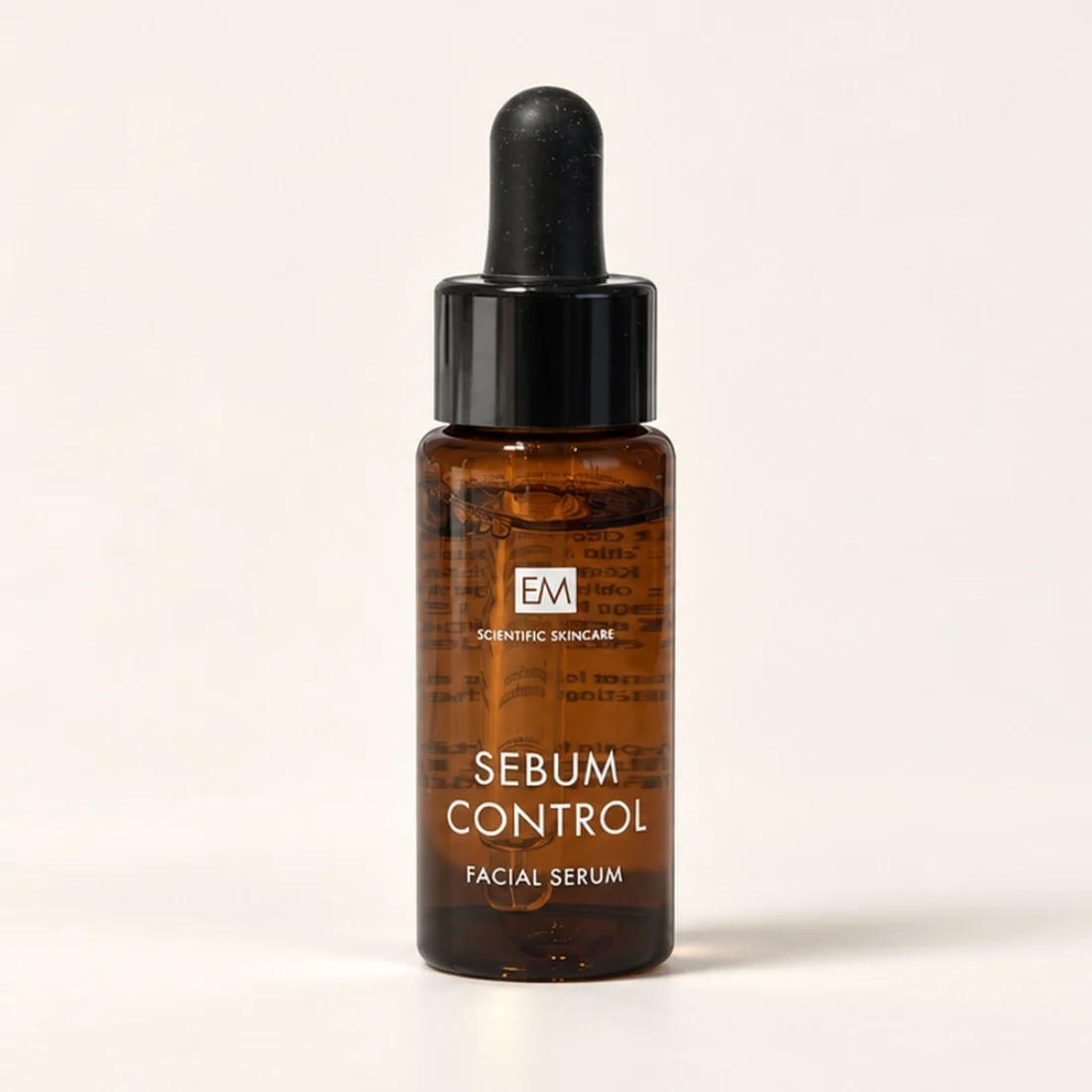
Sebum Control: for congested pores and oily skin
When your skin is oily, with blackheads and blemishes but no stinging or strong redness, you can consider the Sebum Control serum with salicylic acid. It also contains niacinamide, ectoine and zinc gluconate.
How you use it depends on how well you tolerate it and on the rest of your routine. If your skin is already irritated by retinol or exfoliants, do not add another exfoliant straight away. And if you are looking for something that “dries out” spots, read the ingredients and directions first: the aim is not over-dried skin.
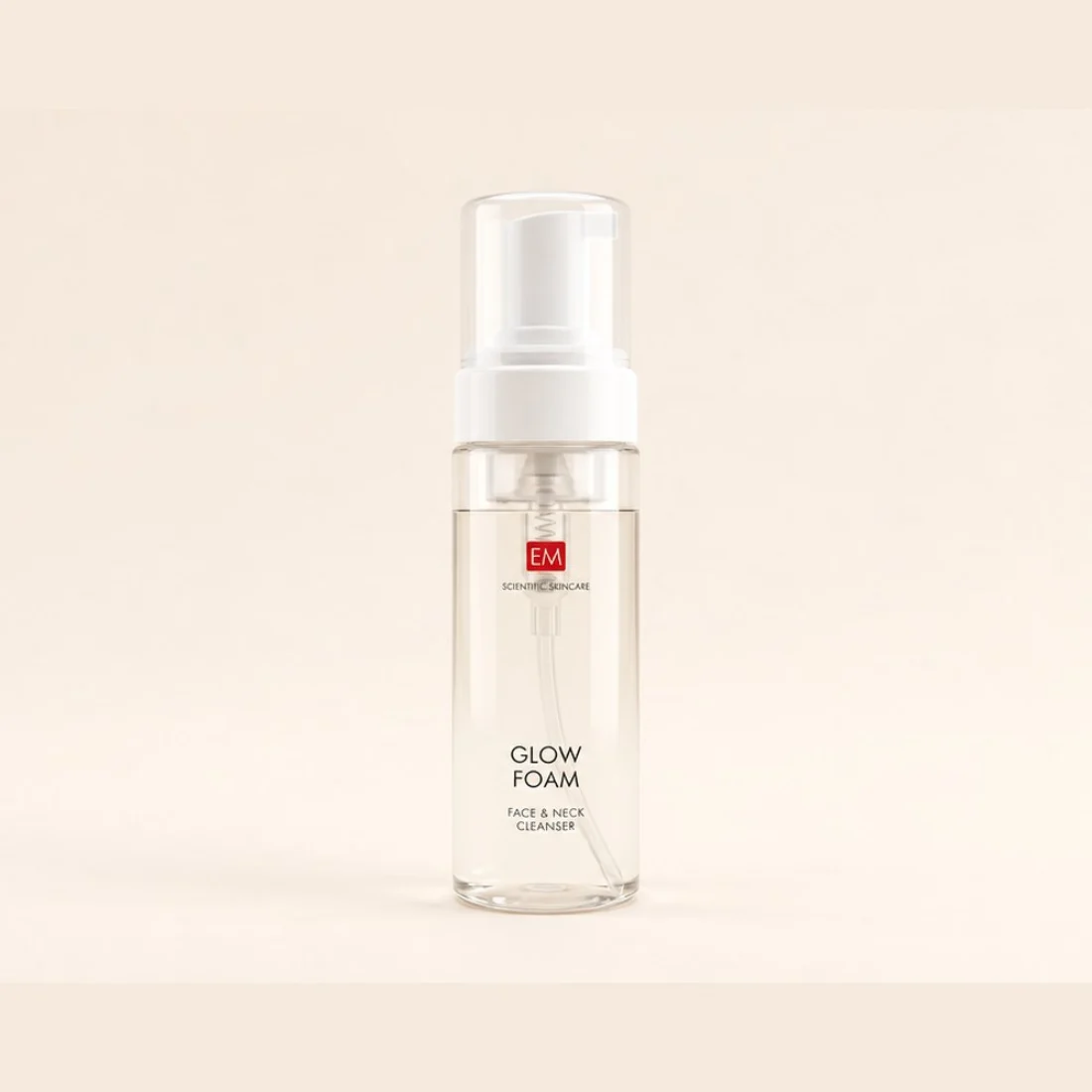
Glow Foam for gentle cleansing
After cleansing, your face should not feel tight. Glow Foam removes impurities and excess sebum and contains aloe and betaine.
Apply it to damp skin, massage gently and rinse well. It contains fragrance, worth noting if you know you are sensitive to it. If irritation appears and does not settle, stop using it.
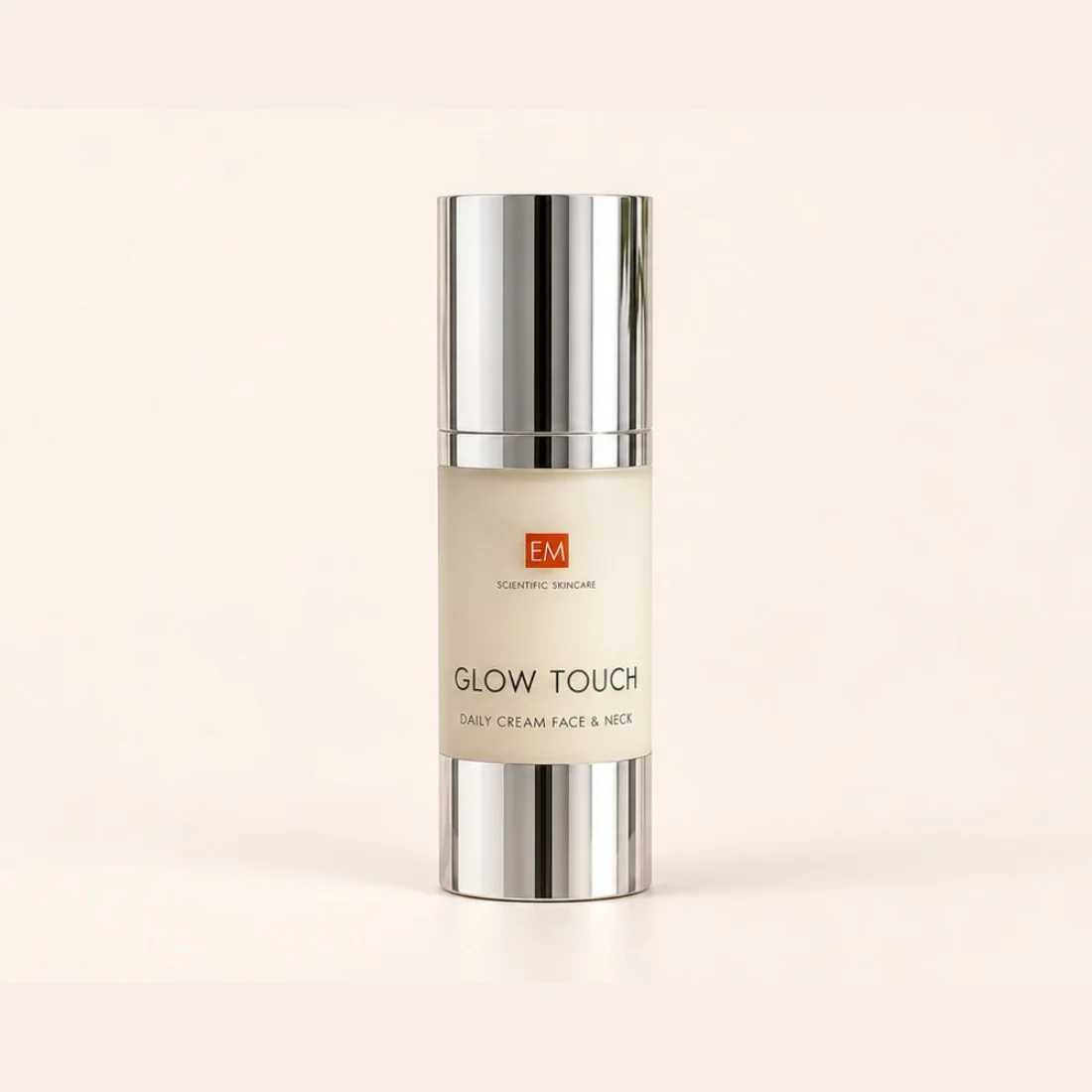
Glow Touch for moisture and comfort
Blemish-prone skin needs moisture too. If the new routine has dried your skin, Glow Touch cream with curcumin can round off your care, provided you tolerate it well.
Its ingredients include glycerin, shea butter and vitamin E, with no fragrance or essential oils. Its role is moisturising; it does not replace an acne treatment.
There is no single spot cream that suits everyone: the choice depends on the type of lesions and on how sensitive your skin is.
Good to know
- Using more does not bring results faster. Use the recommended amount.
- Oily skin can be dehydrated at the same time; choose moisturising based on tolerance.
- Even a product made for acne-prone skin can cause a reaction.
- If you switch products every few days, your skin can get irritated and you can no longer judge what works.
FAQ
Can any new product cause purging?
No. The term applies mainly to certain actives, such as retinoids. Spots that appear after a moisturiser are not explained that way.
Do I have to give up my whole routine?
Not necessarily. Look at what you changed recently and keep what your skin already tolerates. For serious reactions, ask a dermatologist.
Can I put a spot treatment over retinol?
It depends on what both contain and on your tolerance. On skin that already stings or peels, one more active usually makes things feel worse.
When do I need a dermatologist?
If you notice painful nodules, scars, a flare that keeps going or a strong reaction. Do not put it off on the grounds that your skin “has to get used to it”.
In closing
There is no need to put up with stinging and growing breakouts in the hope that it will all be fine in the end. Understanding the reaction is the first step. You can write to us with the products you use and what you have changed lately, and we will help you choose cosmetic products. If lesions persist or hurt, you need a dermatology consultation.