Skincare journal ·
In what order to apply skincare products, morning and evening
The basic order for your morning and evening routine, where toner and eye cream fit in, and which habits overload your care for no reason.
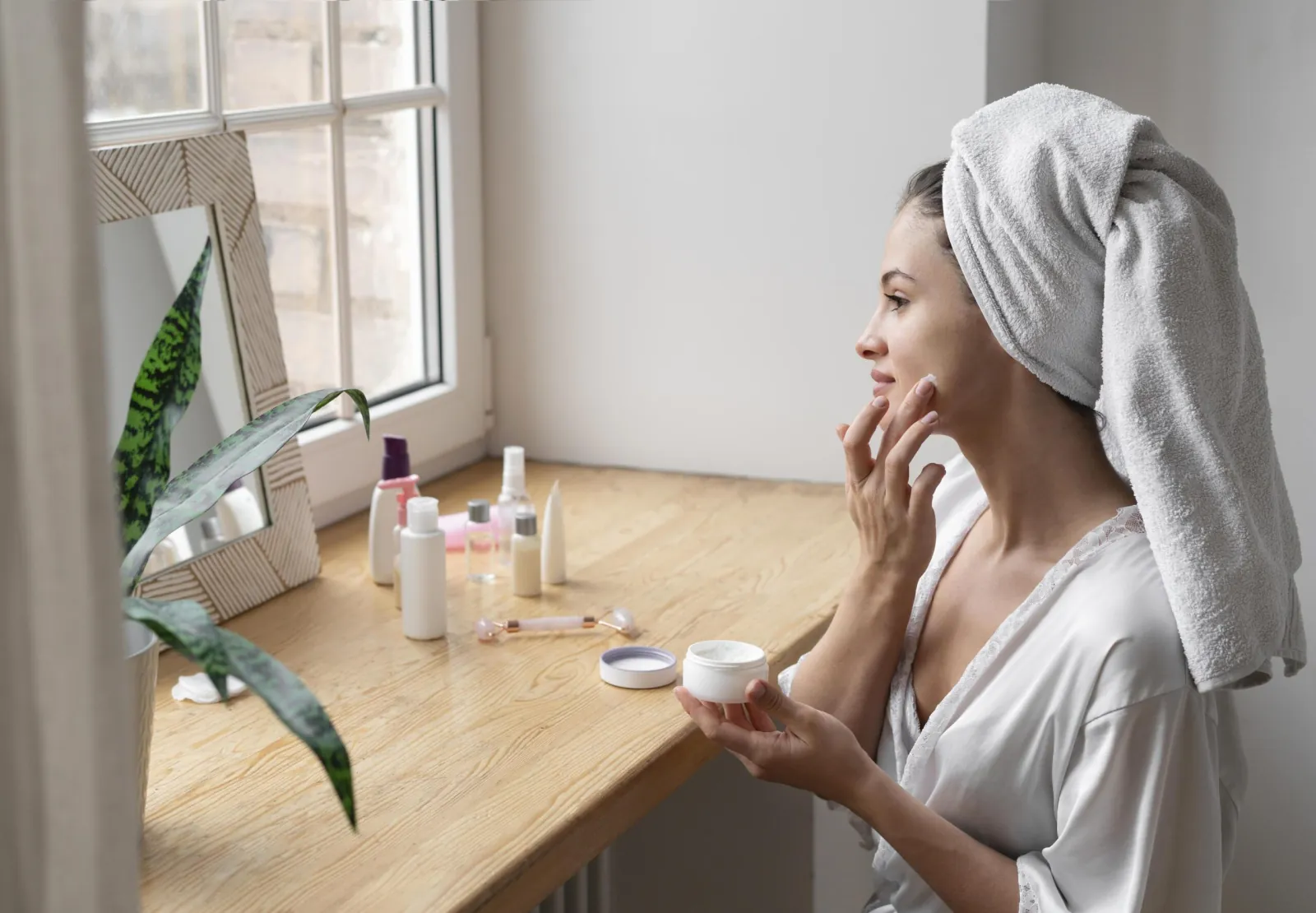
You bought a serum, a cream and a sunscreen and you are wondering which goes on first? It is a natural question, especially when you chose each product carefully and want to use it properly.
The basic scheme looks like this:
- morning: cleanse, serum (if you use one), moisturiser, sun protection;
- evening: remove make-up, cleanse, apply your treatment or serum, then your cream.
You do not need one product from every category. The routine is built around what your skin needs, and the directions on each product matter more than any general scheme.
Why the order matters
Each step has a different role. First you cleanse, then you apply the products that target a specific concern, then you moisturise, and in the morning you finish with sun protection.
A useful guide is to go from thinner textures to richer ones. The rule has exceptions, though: a prescribed treatment, an oil-based serum or a retinol cream may come with their own directions.
One more thing: applying products in the right order does not make every ingredient compatible. What counts is the formula of each product and how your skin tolerates them.
Morning routine, step by step
In the morning, a short routine is worth it, one you can repeat every day without rushing.
1. Cleansing
Use a product suited to your skin type. Massage gently, rinse with lukewarm water, then pat your face dry with a clean towel.
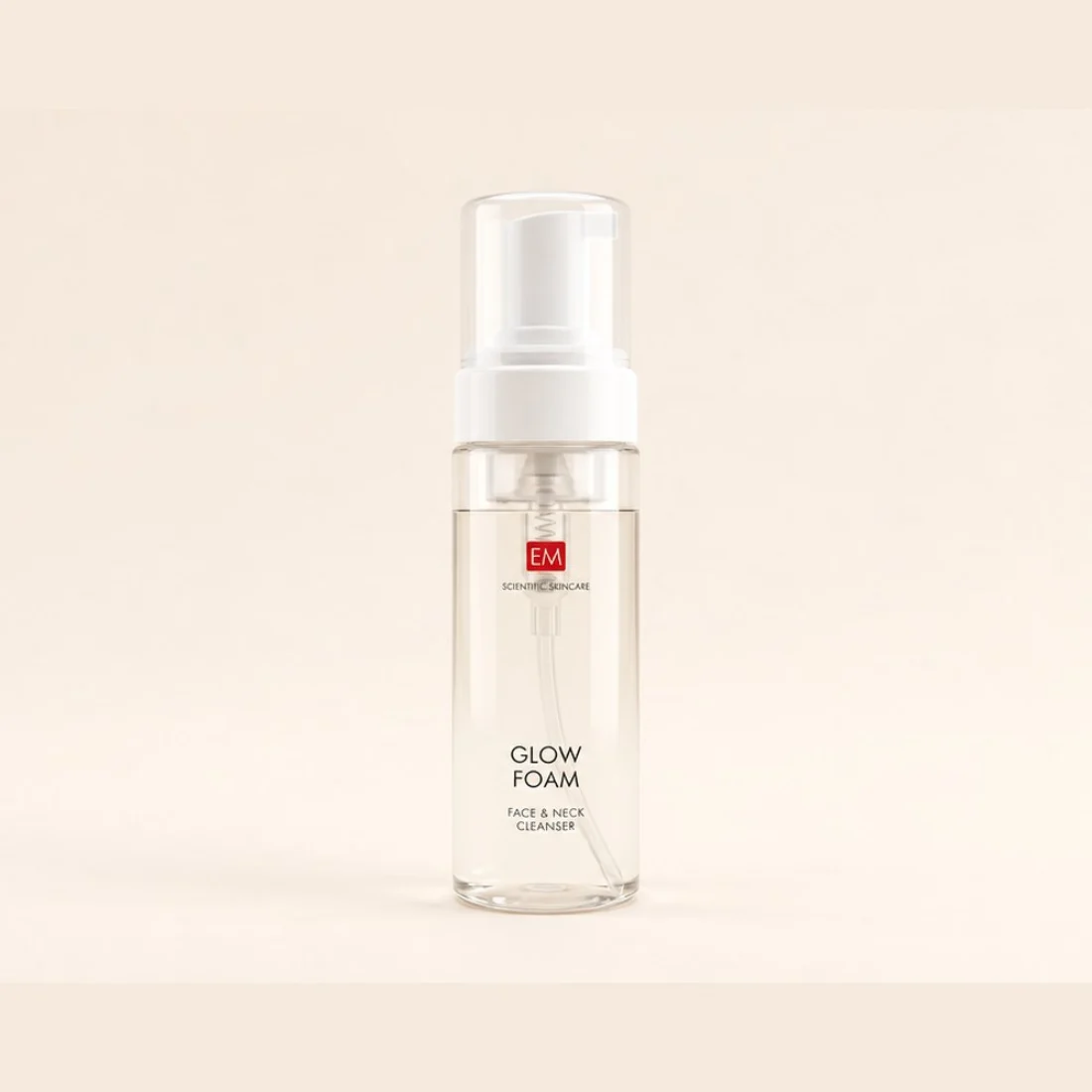
If you like foam, one example from our shop is EM Skincare Glow Foam, for face and neck. Apply it to damp skin and rinse it off before the next step.
After washing, your skin should not feel very dry. If it often feels tight, look at the product and how often you use it.
2. Serum, if it is part of your routine
Choose a serum for a clear need: hydration, radiance, uneven tone or excess sebum. One that suits your skin is enough; there is no need to layer several.
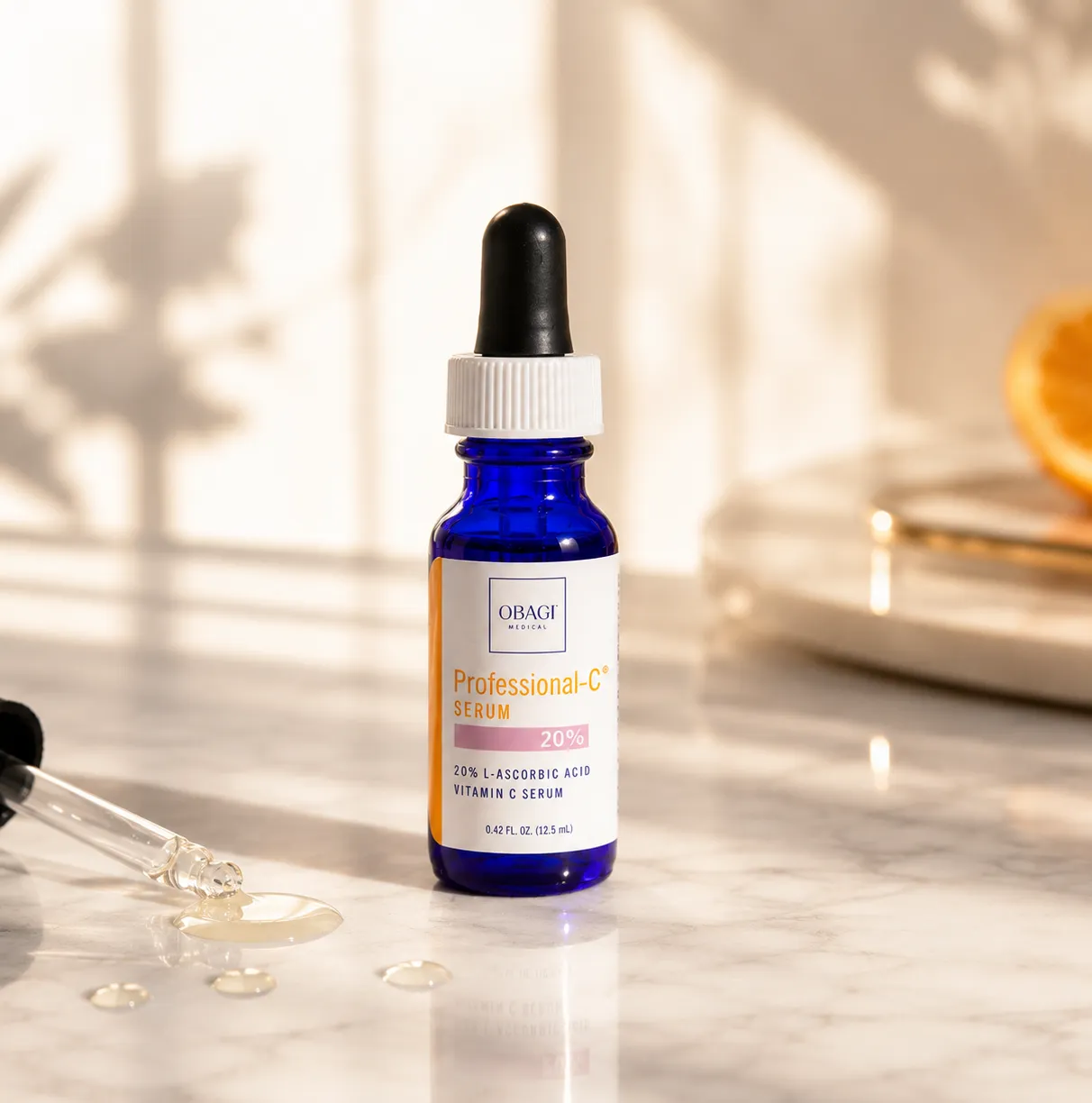
For normal or oily skin, the Obagi Professional-C 20% vitamin C serum is an option for antioxidant protection and a brighter complexion. Apply it in the morning, on clean skin, before your cream, and finish the routine with sun protection.
Whether the 20% concentration suits you depends on tolerance, especially for sensitive skin. Follow the directions on the pack: more product does not necessarily mean a better result.
3. Moisturiser
Moisturiser usually follows the serum; it helps the skin hold on to moisture and feel more comfortable.
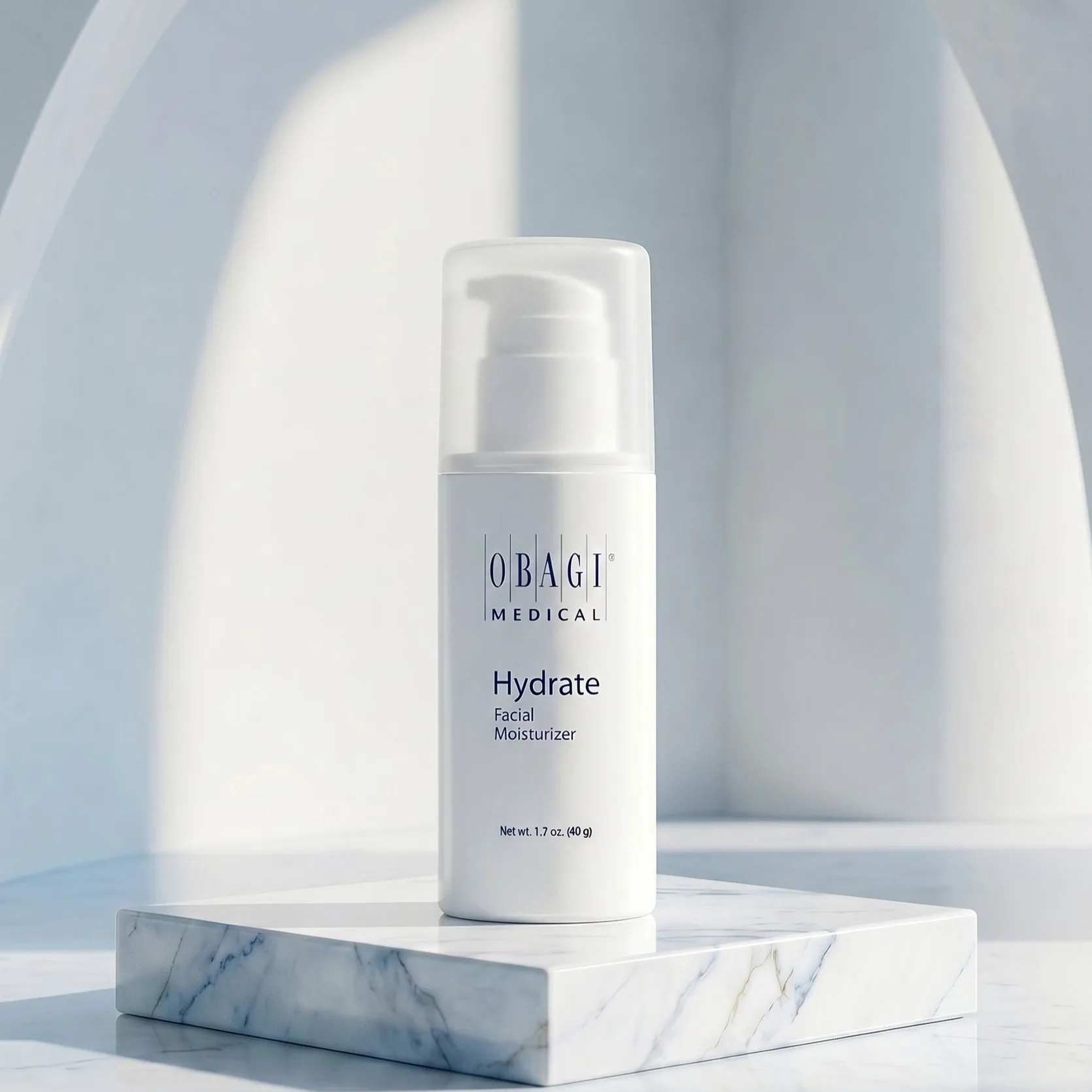
One example is Obagi Hydrate Facial Moisturizer: a non-comedogenic cream with glycerin and emollients that you can use both morning and evening.
Pick the texture according to your skin: combination skin usually feels good with something light, while dry skin needs more comfort. Oily skin needs moisture too.
4. Sun protection
In the morning, SPF is the last skincare step, before make-up. Choose a broad-spectrum product with SPF 30 or higher that suits your skin.
Apply it before you leave the house, in the amount shown on the pack. If you spend time outdoors, reapply roughly every two hours, and after swimming or sweating, as the pack says.
Do not mix it with your serum or foundation. Applying each layer separately lets every product work the way it was designed to.
Evening order
In the evening you start by removing make-up and cleansing, continue with your treatment (if you have one) and finish with moisturiser.
Why reading the directions matters is clear with the EM Skincare Antioxidant serum, with ferulic acid and vitamins. Its name suggests a morning product, but the product page says to apply it in the evening, on clean, dry skin, with SPF 50 the next morning. The formula contains retinol and lactic acid, so it is not just a hydrating serum.
The products above are examples for each step, not a combination everyone has to use. When you are not using a treatment, your evening routine can be just cleansing and cream.
Serum or cream first?
As a rule, serum goes on before cream, especially if it has a fluid texture.
There are exceptions. Some people using retinoids apply moisturiser first and then the treatment to limit dryness, if their dermatologist has advised it.
Nor is combining ingredients decided by the order of the bottles. Niacinamide and retinol can be used together, but concentrations, the formula and your skin's tolerance remain decisive.
Where toner and eye cream go
If you use a hydrating toner, it usually goes after cleansing and before serum. It is not mandatory. If it contains exfoliating acids, count it as an active product.
For eye cream, follow its directions; it generally goes on after serum and before face cream. Use very little and keep it out of your eyes. Not everyone needs a separate product for this area.
Habits that overload your routine
- Starting several products at the same time. If irritation appears, you no longer know where it comes from.
- Doubling up on the same actives. An exfoliating gel plus an acid serum is already a lot for one routine.
- Carrying on with a product that bothers you. Redness, stinging and peeling are signs that something needs to change.
- Switching products often. When you are consistent, you see more clearly what you tolerate and what results you get.
If irritation does not settle even after you stop the suspect product, see a dermatologist.
Good to know
- A serum is not mandatory in a good daily routine.
- Vitamin C does not replace sun protection.
- A cream with actives is a treatment too, not just a moisturising step.
- More layers do not automatically mean better results; what you choose and how you tolerate it is what counts.
FAQ
Should I wait between serum and cream?
There is no pause that applies to everyone. Follow the directions, especially for treatments that go on completely dry skin.
Can I use products from different brands in the same routine?
Yes. The compatibility of the formulas and your skin's needs matter more than the brand.
If my SPF moisturises, do I still need a cream?
Not necessarily. If your skin feels fine, you can drop a step, as long as you apply the right amount of sun protection.
Should retinol be used every evening?
Not necessarily. How often you use it depends on the product, on how used to it your skin is and on tolerance.
In closing
Start from the basics: cleansing, moisturising and sun protection. Only then add, one at a time, a treatment for a specific concern, placed where it belongs in the routine. If you want details about a product in our shop or how to apply it, write to us. A good routine is one you can keep up easily and in which your skin feels comfortable.