Skincare journal ·
5 causes of acne and how to keep them in check
Acne is linked to hormones, diet, stress, the products you use and hygiene. See how each factor affects your skin and which changes you can make to your daily routine.
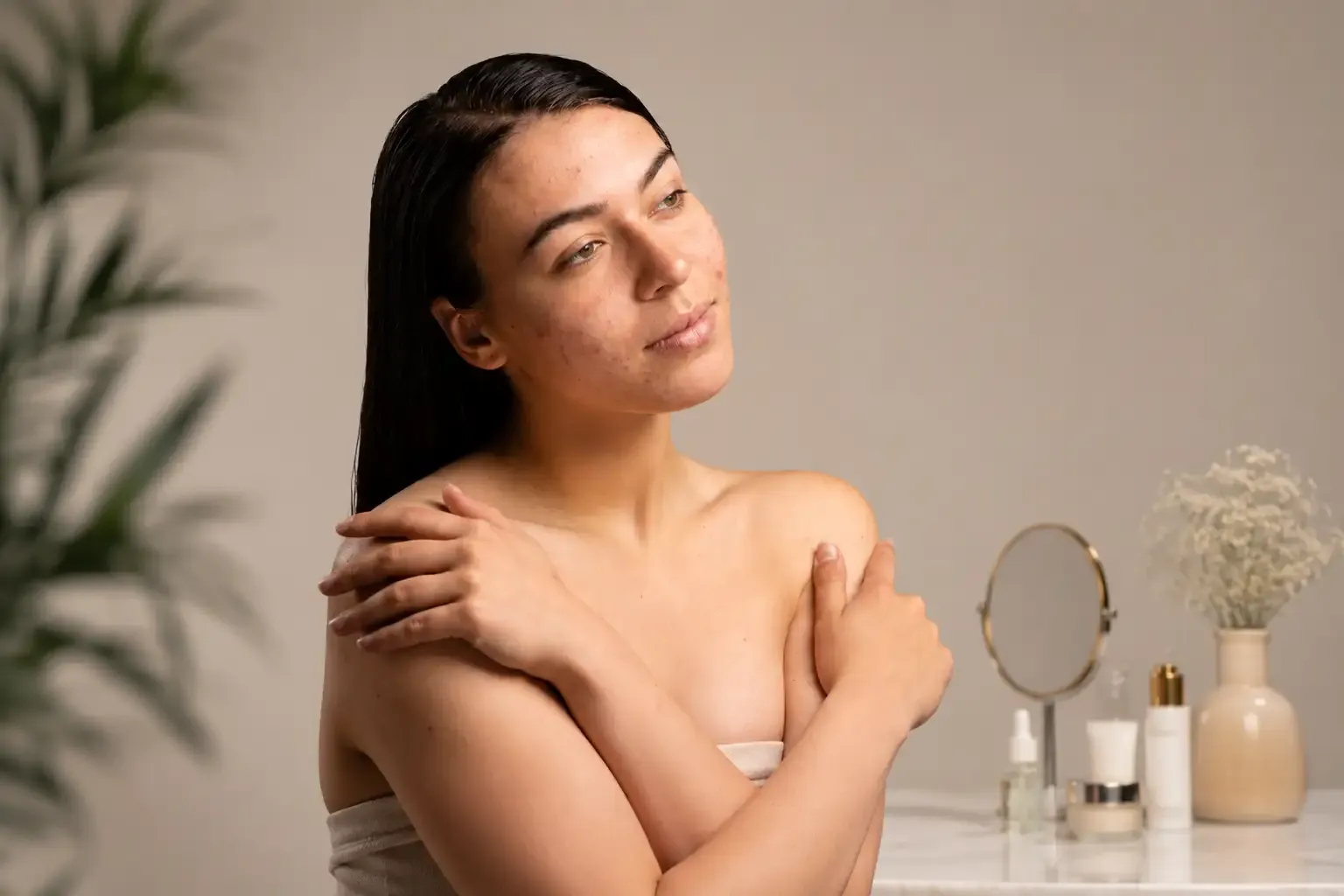
Breakouts that keep coming back, blackheads or spots that appear right before an important event are frustrating, especially when you have already tried several products. Acne affects millions of people of every age, and it is not only about looks: skin responds to hormones, diet, stress and daily habits. Below are five common causes and what you can do about each.
What happens in the skin
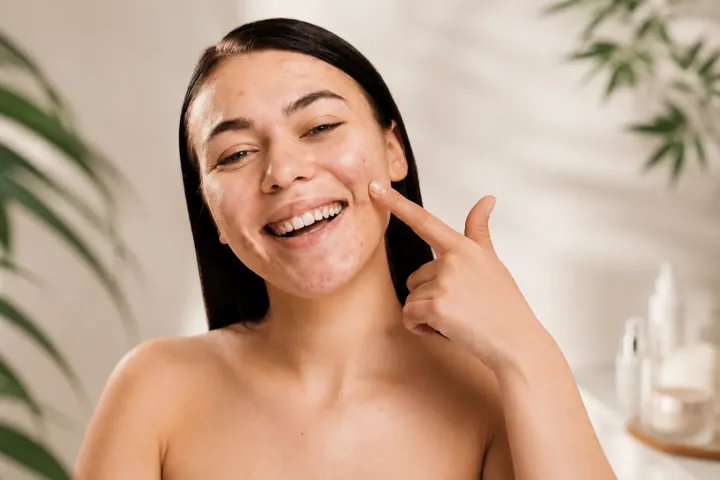
Acne develops when pores become clogged with excess sebum, built-up dead cells and bacteria. The result can be blackheads, inflamed spots or even painful cysts.
- Around 85% of teenagers deal with skin problems.
- Genetics strongly shape how prone you are to spots and blemishes.
- A sugar-heavy diet can fuel inflammation and encourage blackheads and breakouts.
1. Hormonal fluctuations
Hormonal acne is one of the most frequent forms and shows up when hormone levels shift: in teenagers, during pregnancy or before a period. Excess testosterone makes the sebaceous glands produce more oil, pores clog and spots form.
What you can do:
- Keep a balanced lifestyle.
- Eat foods with omega-3 and antioxidants.
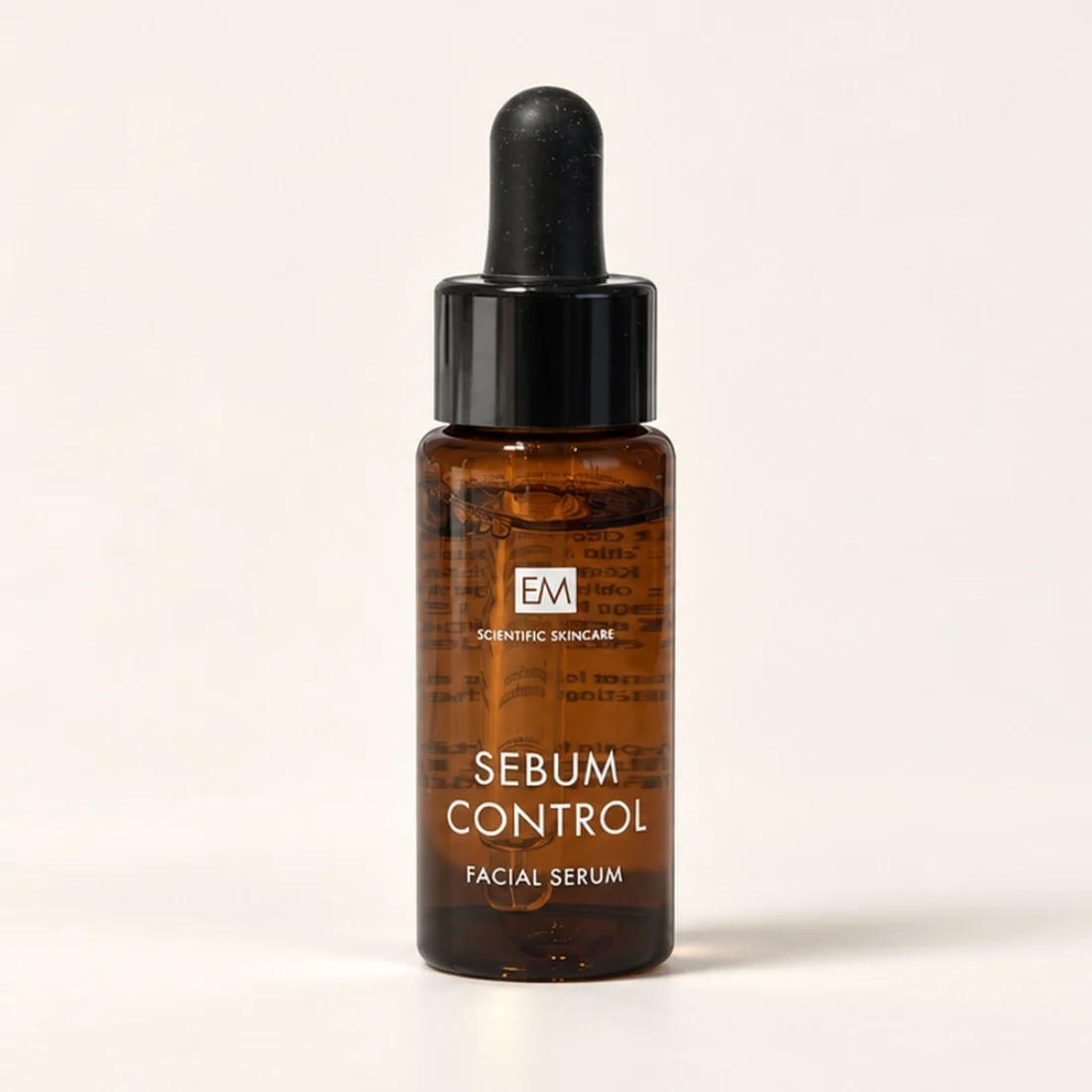
- Try a salicylic acid serum that keeps oil in check, such as Sebum Control.
2. Diet
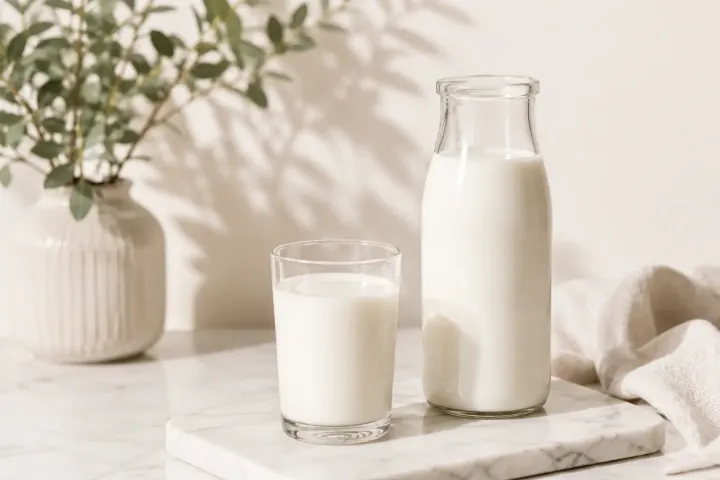
What you eat shows on your skin. Too much sugar, dairy and processed food can raise inflammation and oil production, the ground on which acne grows.
- People who eat a lot of dairy have a 44% higher risk of acne (more on this in Does milk cause acne?).
- Sugar and refined carbohydrates push up insulin, and insulin stimulates androgen hormones.
What you can do: cut back on dairy and sweets, add fruit, vegetables and zinc-rich foods, and drink enough water.
3. Stress and too little sleep
Under long-term stress, the body makes more cortisol, which increases oil secretion and worsens inflammation. When you sleep too little, skin repair suffers and small facial spots can appear. People who sleep under 6 hours a night are 30% more likely to develop acne.
What you can do:
- Try meditation or yoga.
- Sleep 7–8 hours a night.
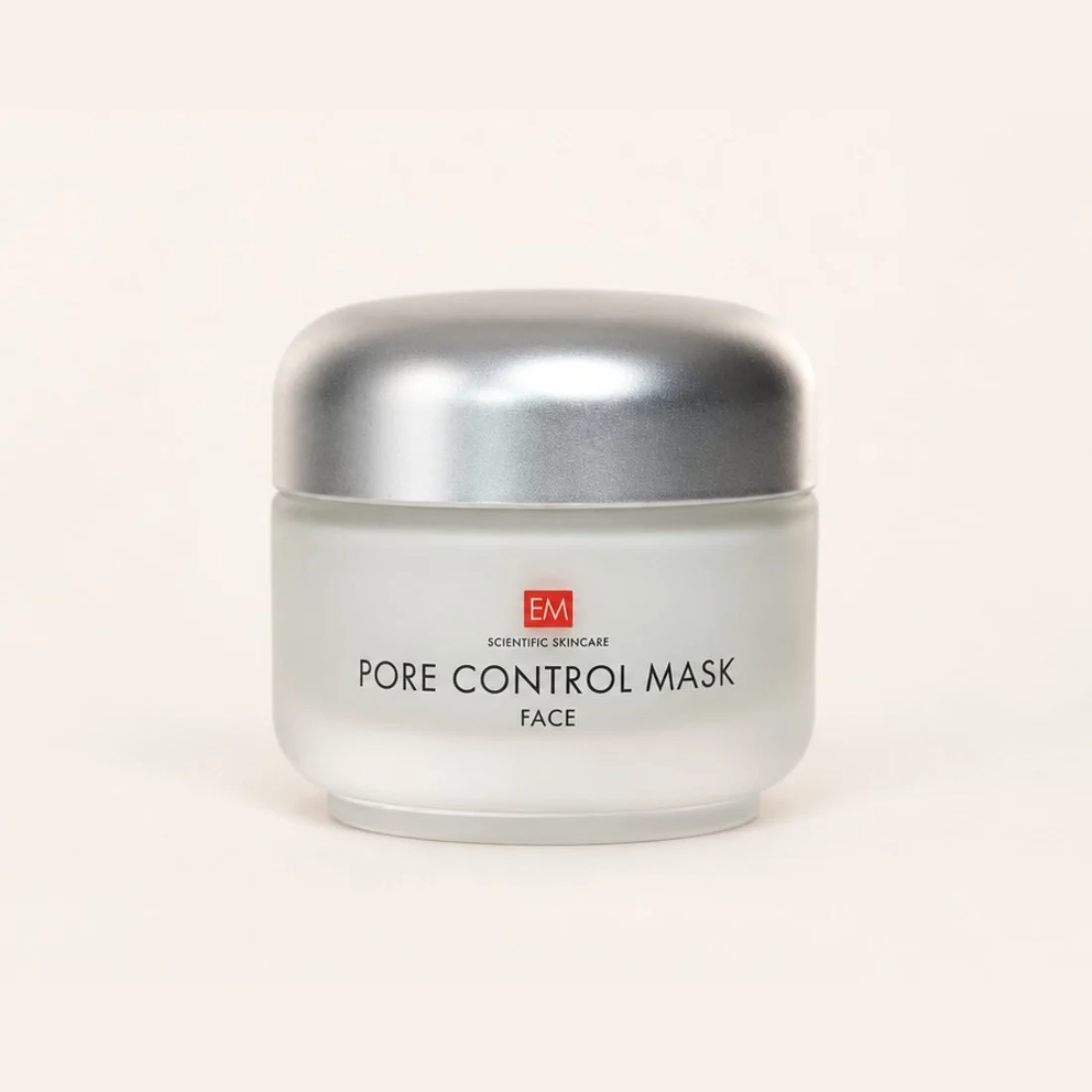
- Use a hydrating mask such as Pore Control, which balances the skin’s pH.
4. Products that do not suit your skin
Skincare and make-up that do not match your skin type can block pores and trigger breakouts.
- Look for non-comedogenic on the label.
- Avoid mineral oils and synthetic fragrances.
- Wash your make-up brushes at least weekly.
- A salicylic acid serum helps reduce excess oil and prevent spots.
5. Hygiene
Touching your face often, using unwashed towels or pressing your phone to your cheek brings bacteria onto the skin and can make acne worse.
- Change your pillowcase every 2–3 days.
- Wipe your phone screen every day.
- Cleanse twice daily (when you wake up and before bed) with a gel that suits your skin type.
Treatment options
Approaches range from pharmacy products to natural ingredients. You can also browse the Acne category.
Medical treatment
- retinoids or benzoyl peroxide, as a cream or gel;
- antibiotics in severe cases;
- laser or chemical peels.
Natural options
- green tea, honey and essential oils;
- aloe vera, soothing and anti-inflammatory;
- tea tree oil, with antibacterial properties;
- a honey and cinnamon mask, which calms inflammation.
A daily routine for prevention
Morning
- Cleanse with a gentle gel.
- Oil-control serum.
- Non-comedogenic moisturiser.
- Sun protection.
Evening
- Remove make-up thoroughly.
- Exfoliate 2–3 times a week.
- A hydrating, purifying mask.
FAQ
What is hormonal acne?
Acne triggered by hormonal changes; it is most common in teenagers and women.
Does chocolate cause spots?
The evidence is not clear, although dairy and high-sugar foods may aggravate breakouts.
Why do small spots keep appearing after treatment?
Stress, an unbalanced diet or unsuitable products may be behind them.
When should I see a dermatologist?
If acne persists, a dermatologist can recommend a treatment tailored to you. In the meantime, use products made for blemish-prone skin.
Sources
- American Academy of Dermatology Association – How hormones influence acne
- National Institutes of Health (NIH) – Diet and Acne: Reviewing the Evidence
- Mayo Clinic – Acne: Causes and Treatment
- Journal of Clinical and Aesthetic Dermatology – The Role of Stress in Acne
- Harvard Health Publishing – Does dairy cause acne?