Skincare journal ·
Face mapping: what breakouts in each zone are said to mean and how to care for them
What “face mapping” claims about where pimples appear, how far you can rely on it and which routine helps acne-prone skin.
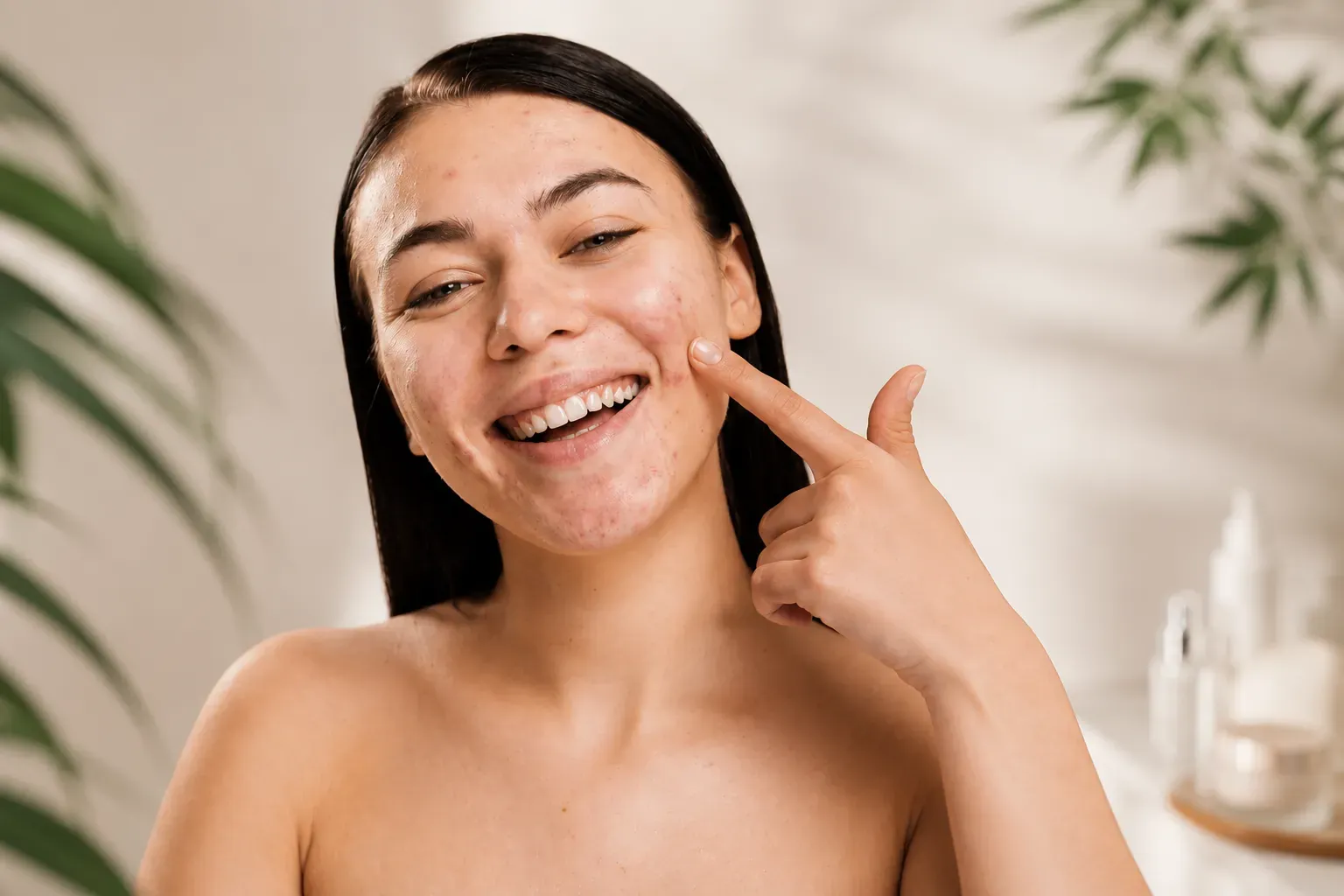
A pimple that keeps coming back in the same spot, on your forehead, chin or cheeks, makes many people wonder whether its location means something. That is where “face mapping” comes from, an idea taken from traditional Chinese medicine. Here is what it claims, how far you can rely on it and how to care for breakout-prone skin in practice.
Why pimples form
Pimples form when pores get blocked by sebum (the skin’s natural oil), dead cells and bacteria. The blockage leads to inflammation and to whiteheads, blackheads or red, painful spots. These are all forms of acne, a very common skin condition that appears at any age, in women and men alike.
For scale: around 9 in 10 teenagers have acne, and more than half of adult women report having had breakouts in the past year.
Types of blemishes
- comedones – whiteheads and blackheads;
- papules – red, inflamed spots;
- pustules – spots with pus;
- cysts – deep and painful;
- nodules – the severe form of acne.
What “face mapping” is
Face mapping links each area of the face to an organ or body system. According to this idea, a pimple that keeps reappearing in one place would signal an internal imbalance. The links below are popular associations, not medically proven relationships: a face map does not replace a consultation, but it can help you notice patterns and habits worth checking.
Face zones and what is attributed to them
Forehead: stress, digestion, sleep
Frequent forehead breakouts are blamed on stress, sluggish digestion or not enough rest.
What you can do: drink more water, eat a balanced diet, cut back on processed food and sleep at least 7–8 hours a night.
Nose: heart and circulation
In this theory, the nose area is associated with the cardiovascular system, circulation and cholesterol levels.
What you can do: reduce saturated fat, add more vegetables and fruit to your plate and move every day.
Cheeks: phone, pillow, smoking
On the cheeks the explanations are often very practical: your phone screen, a pillowcase that isn’t changed often enough and smoking.
What you can do: clean your phone screen every day, put on a fresh pillowcase every 2–3 days and stay away from cigarette smoke, second-hand included.
Chin: hormones
The chin is linked mainly to hormonal shifts, especially in women: the menstrual cycle, polycystic ovary syndrome, pregnancy.
What you can do: ask your doctor about hormone tests; in the meantime, choose anti-acne care that keeps oil in check and soothes the skin.
Jawline and neck: hormones and diet
Breakouts here are attributed to persistent hormonal disorders or food intolerances (dairy, gluten, processed sugar).
What you can do: keep a food diary to see which foods make your acne worse, and talk to a dermatologist or nutritionist.
Daily care for breakout-prone skin
Your everyday routine matters a lot, and anti-acne products should be chosen carefully. Two examples from the EM Skincare range:
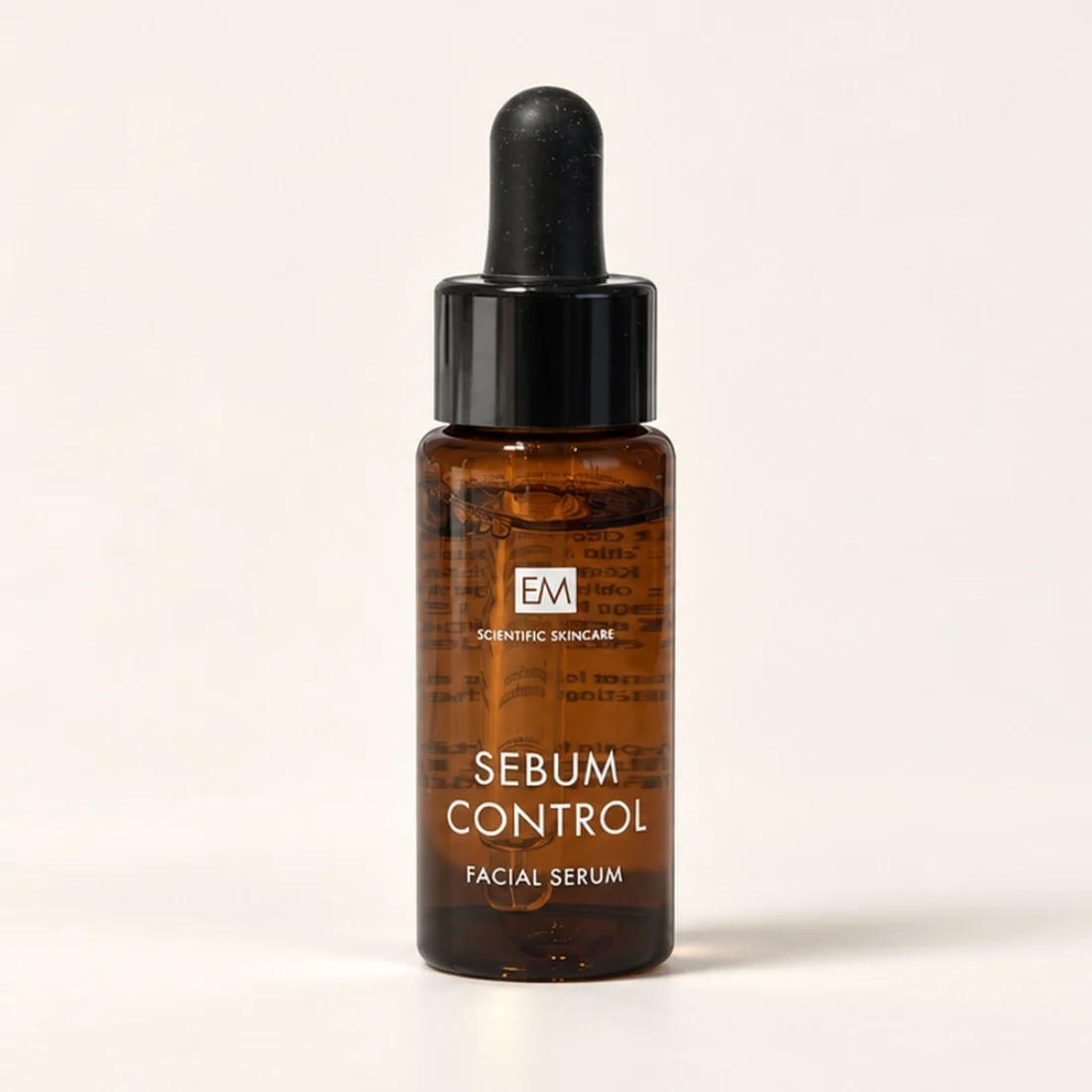
Sebum Control, salicylic acid serum
Sebum Control is designed for oily, blemish-prone skin: it clears pores, helps reduce imperfections and balances sebum production.
- Salicylic acid – exfoliates, cleans pores deeply, reduces inflammation and helps against blackheads;
- Niacinamide – fades pigment spots, boosts hydration and helps restore the skin barrier;
- Ectoin – soothes and shields skin from external stressors, useful for sensitive skin;
- Zinc gluconate – regulates sebum, lowering the risk of breakouts.
How to use it: morning and evening on clean, dry skin, up to 5 drops spread over the whole face. Keep it away from the eyes and don’t pair it with harsh exfoliants in the same routine.
What it aims for: clearer, smoother skin, less congested pores, fewer blackheads and sebum kept in check without drying the skin. It is dermatologically tested, alcohol-free and suitable for sensitive skin too.
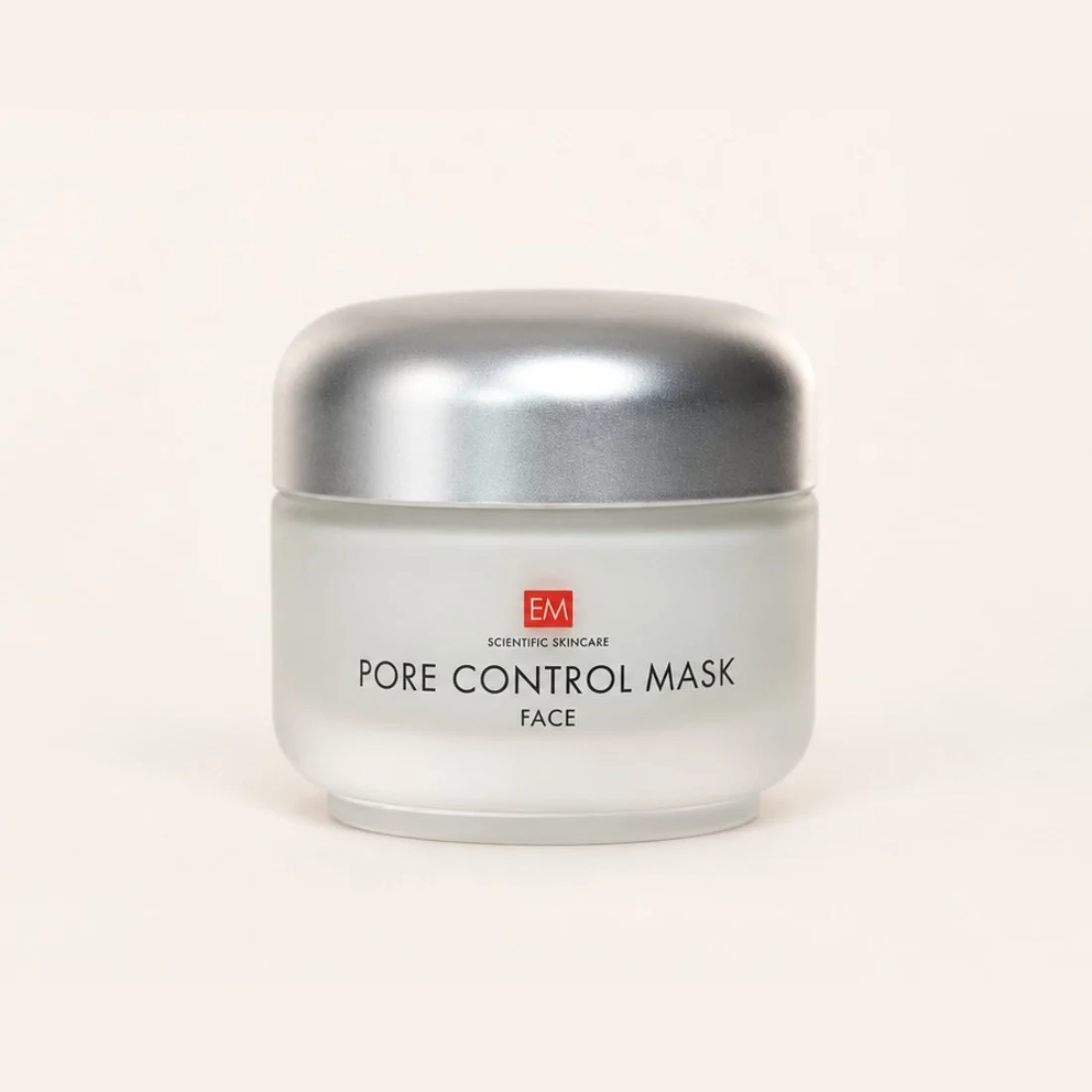
Pore Control, face mask
Pore Control is a mask for combination or oily skin, gentle on sensitive skin and alcohol-free. It deep-cleans, hydrates and brightens in a few minutes.
- deep hydration you feel from the first use;
- pH balance, so skin stops swinging between excess oil and dryness;
- a fresh, radiant look;
- antioxidant defence against free radicals and everyday environmental stress;
- a finer, more even skin texture.
How to use it: 2–3 times a week on clean, completely dry skin. Leave it on for 10–15 minutes, then rinse off with lukewarm water, keeping it away from the eyes. You can apply it with the glass spatula in the pack, washing it after each use.
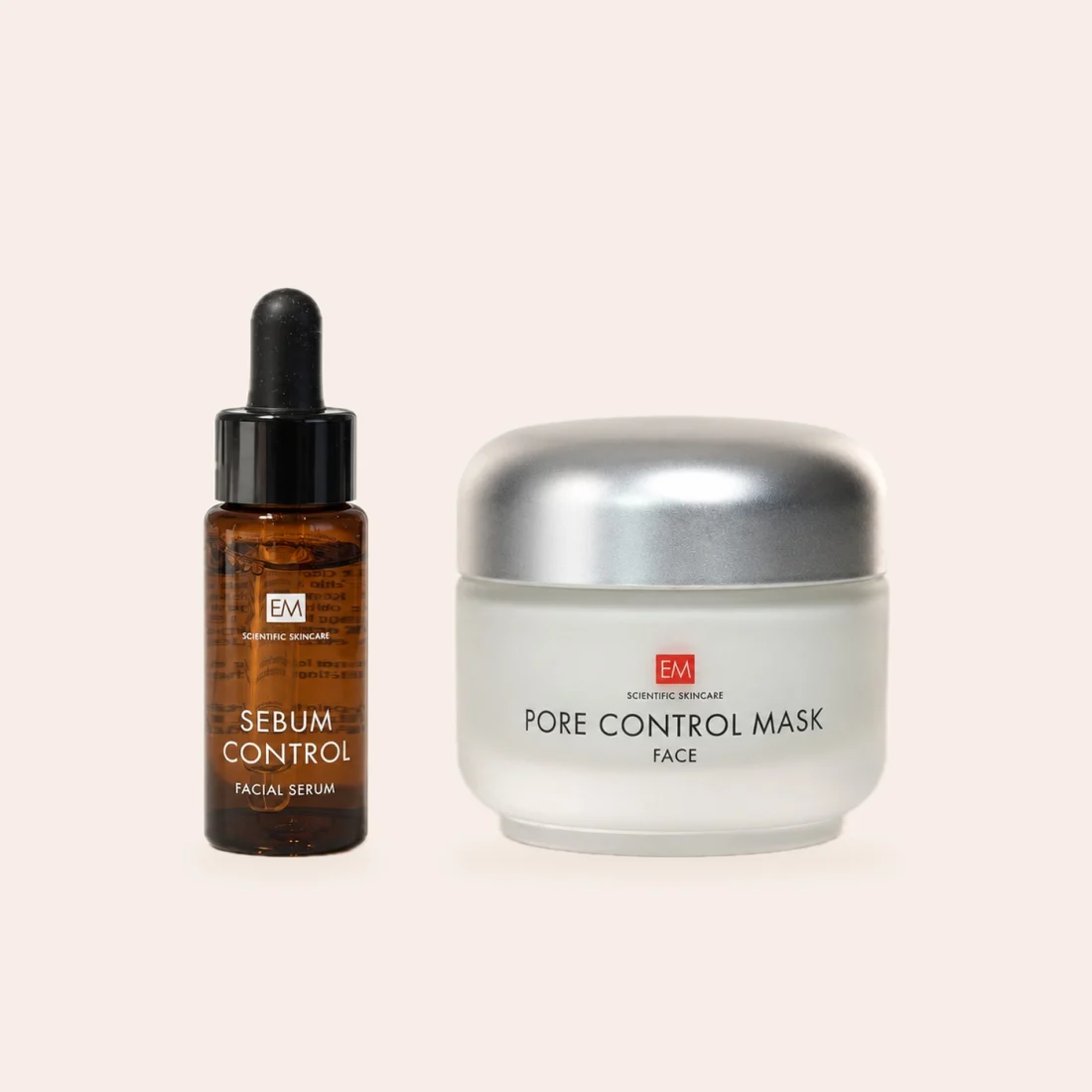
Both products also come together in the Sebum Control and Pore Control Kit.
FAQ
Can pimples point to something more serious?
Sometimes, yes: they can be linked to hormonal imbalances or digestive issues. If they appear often, ask a doctor.
I have sensitive skin. Can I use anti-acne products?
Yes. Sebum Control and Pore Control are alcohol-free, contain soothing ingredients and are formulated to be gentle.
How long until I see changes?
The first improvements usually show after 2–4 weeks; for stable results, consistency with your routine matters.