Skincare journal ·
Milk and acne: what the research shows
How milk and dairy may affect sebum and inflammation, which plant-based alternatives exist and how to care for acne-prone skin.
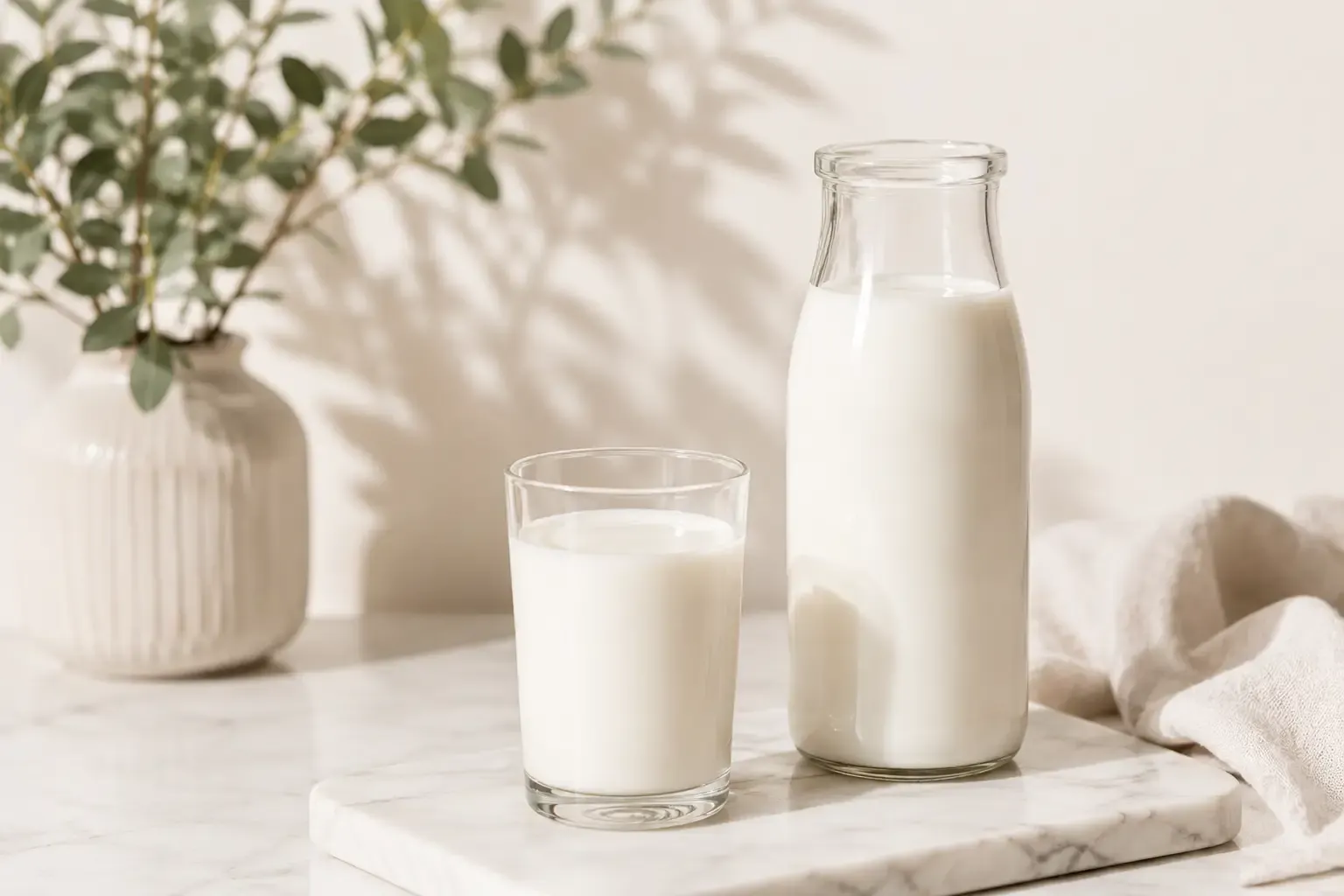
If your skin seems to get worse after dairy, you are not the only one making that connection. Milk comes up often when people talk about diet and acne. Below you’ll find what studies show, how milk might affect the skin and what alternatives you have.
Milk, hormones and inflammation
Inflammation plays a central role in acne. Research shows that certain proteins and hormones in milk, especially IGF-1 (insulin-like growth factor 1), can increase sebum production, and IGF-1 is associated with breakouts.
In a study in the Journal of the American Academy of Dermatology, teenagers who drank skimmed milk had a 44% higher risk of acne than those who didn’t consume dairy. Milk can also amplify the inflammatory response, affecting acne and other skin problems. So the link between dairy and acne has a real basis rather than being just a popular belief.
Key points
- More than 80% of teenagers get acne at some point, and diet is part of the picture.
- For the skin, skimmed milk appears to be more problematic than whole milk.
- Often, 30 days without dairy bring a visible improvement in the complexion.
How dairy can encourage breakouts
- growth hormones in cow’s milk stimulate the sebaceous glands;
- casein and whey, the milk proteins, can disrupt hormonal balance;
- skimmed dairy raises insulin, which means more sebum and more inflammation;
- milk influences gut flora, and skin health also depends on what happens inside.
For many people with acne-prone skin, milk acts as a trigger.
Plant-based alternatives
- almond milk – high in vitamin E, with an anti-inflammatory effect;
- oat milk – gentle, suitable for people with sensitive skin;
- coconut milk – with natural antibacterial properties;
- soy milk – a balanced option, best in moderation.
Pick unsweetened versions, since sugar can also affect your skin.
Caring for acne-prone skin
Diet is only one part; a routine that suits your skin matters too. Two EM Skincare products that work well together:
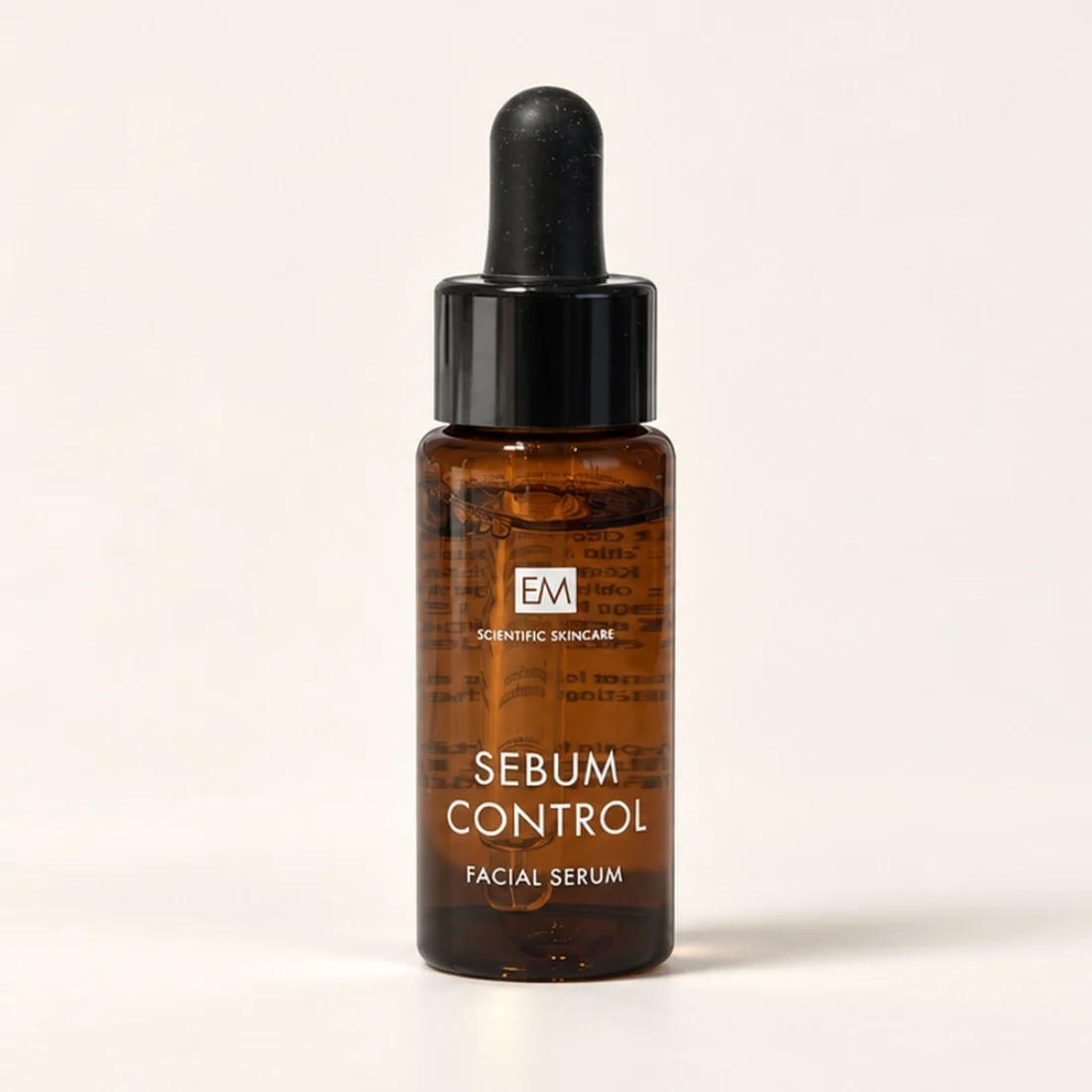
Sebum Control, salicylic acid serum
- contains salicylic acid, a core ingredient in acne care;
- reduces sebum production;
- mattifies and brightens the complexion from the first uses;
- suits oily or combination skin.
More on the Sebum Control page.
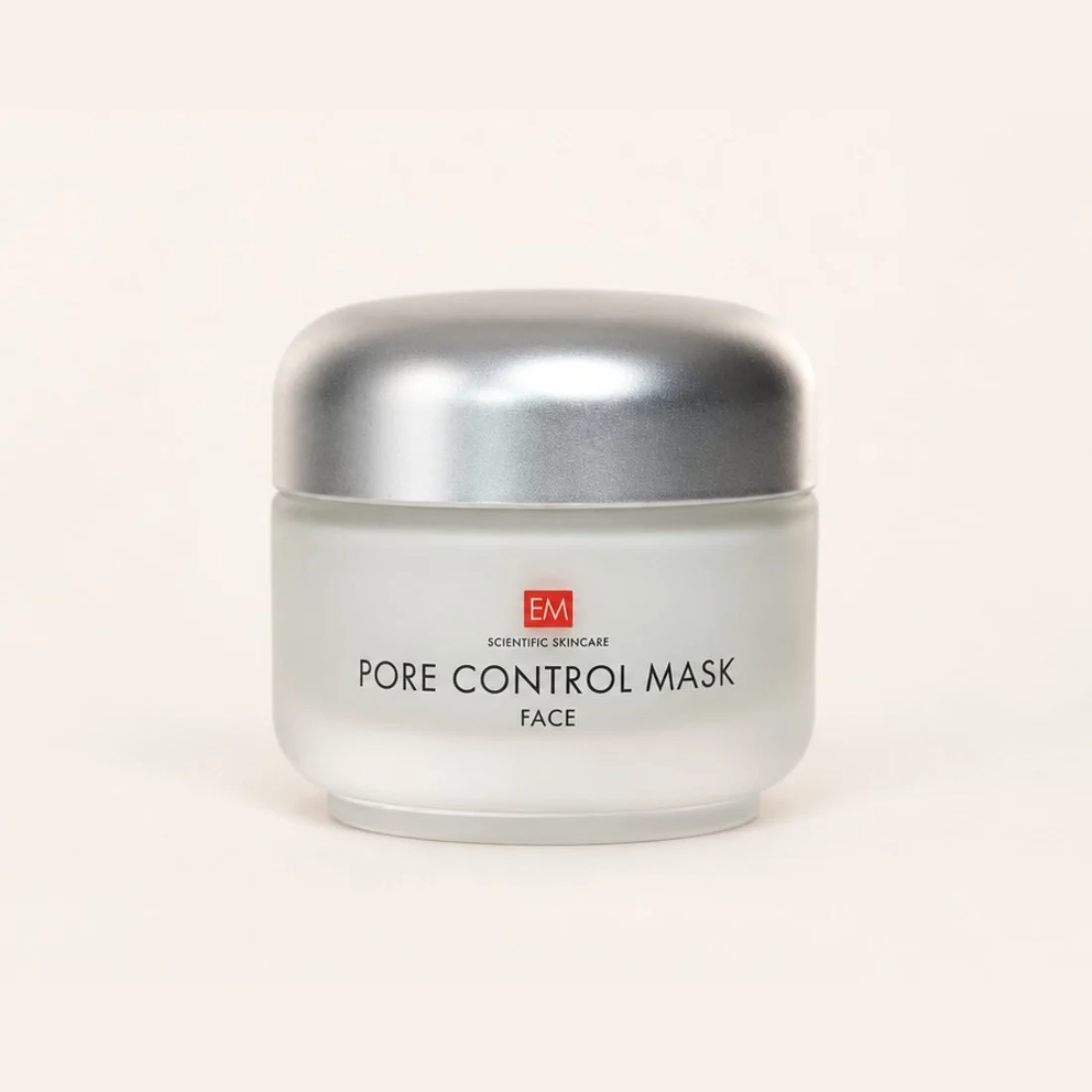
Pore Control, face mask
- cleans and decongests pores deeply;
- calms inflammation;
- used twice a week;
- leaves skin smooth, hydrated and balanced.
More on the Pore Control page. Used together in a consistent routine, the two can visibly improve troubled skin. See the rest of the range in the EM Skincare category.
FAQ
Does dairy cause acne for everyone?
No, every complexion reacts in its own way. If you have acne-prone skin, try a dairy-free period and see what changes.
Is yoghurt as bad as milk?
Plain yoghurt may be better tolerated thanks to its probiotics, but reactions differ from person to person. Avoid versions with added sugar.
If I cut out dairy, will acne clear right away?
Not right away. Changes may show after 2–4 weeks, the time skin needs to rebalance.
What can replace milk and cheese?
Plant milk, tofu, almond cheese, and nuts and seeds for calcium.
Milk can contribute to acne, especially in people who are prone to it. If you’ve tried several approaches without success, take a look at your diet as well: cutting out dairy, together with suitable dermocosmetic products, can make a difference. Notice how your body responds and choose care that respects your skin’s natural balance.