Skincare journal ·
Dry skin: why it happens and how to hydrate it properly
Dry skin has little sebum and loses water easily. See which internal and external causes make it worse and which care steps help it stay hydrated.

A tight feeling, roughness and more visible fine lines are signs many people know well: according to studies, one in four has dry skin. Below you will find where dryness comes from and how to build a routine that keeps it in check.
How to recognise dry skin
Dry skin has too little sebum and struggles to hold on to water, so it reacts more easily to its surroundings. The usual signs:
- a tight feeling, especially after washing;
- rough texture, sometimes with light flaking;
- a tendency towards fine lines and expression lines;
- frequent redness and irritation;
- reduced elasticity and a dull look.
A study in the Journal of Dermatological Science found that dry skin carries a 30% higher risk of premature ageing than normal skin.
How common it is
Dermatology research shows that oily and dry skin are the most widespread types. Estimates put about 25% of people in the dry-skin group, so a large share of the population deals with tightness, flaking or early lines.
Where dryness comes from
Internal causes
- Genetics. According to the American Academy of Dermatology, around 50% of the tendency towards dry skin is inherited.
- Age. After 30, skin gradually makes less collagen and fewer lipids, and hydration suffers.
- Hormones. Hypothyroidism and menopause are linked to a marked drop in sebum.
- Too little water. Your body needs 2–2.5 litres of water a day to keep skin hydrated.
External causes
- Cold and dry air, made worse by wind.
- Sun: UV rays break down the lipid barrier of the skin.
- Harsh cosmetics: alcohol and alkaline soaps draw moisture out.
- Hot water: strips natural oils and speeds up water loss.
A step-by-step routine for dry skin
1. Gentle cleansing
- Choose cream cleansers or cleansing oils over foaming gels.
- Skip sulfates and alcohol, which weaken the skin’s protective layer.
2. Deeply hydrating ingredients
- Hyaluronic acid can hold up to 1000 times its own weight in water, a study published in the International Journal of Cosmetic Science reports. Read more in our article on hyaluronic acid.
- Ceramides rebuild the protective layer and keep water from evaporating. See also what ceramides are and how to use them.
- Jojoba, argan or sweet almond oil nourish and strengthen the barrier.
3. SPF every day
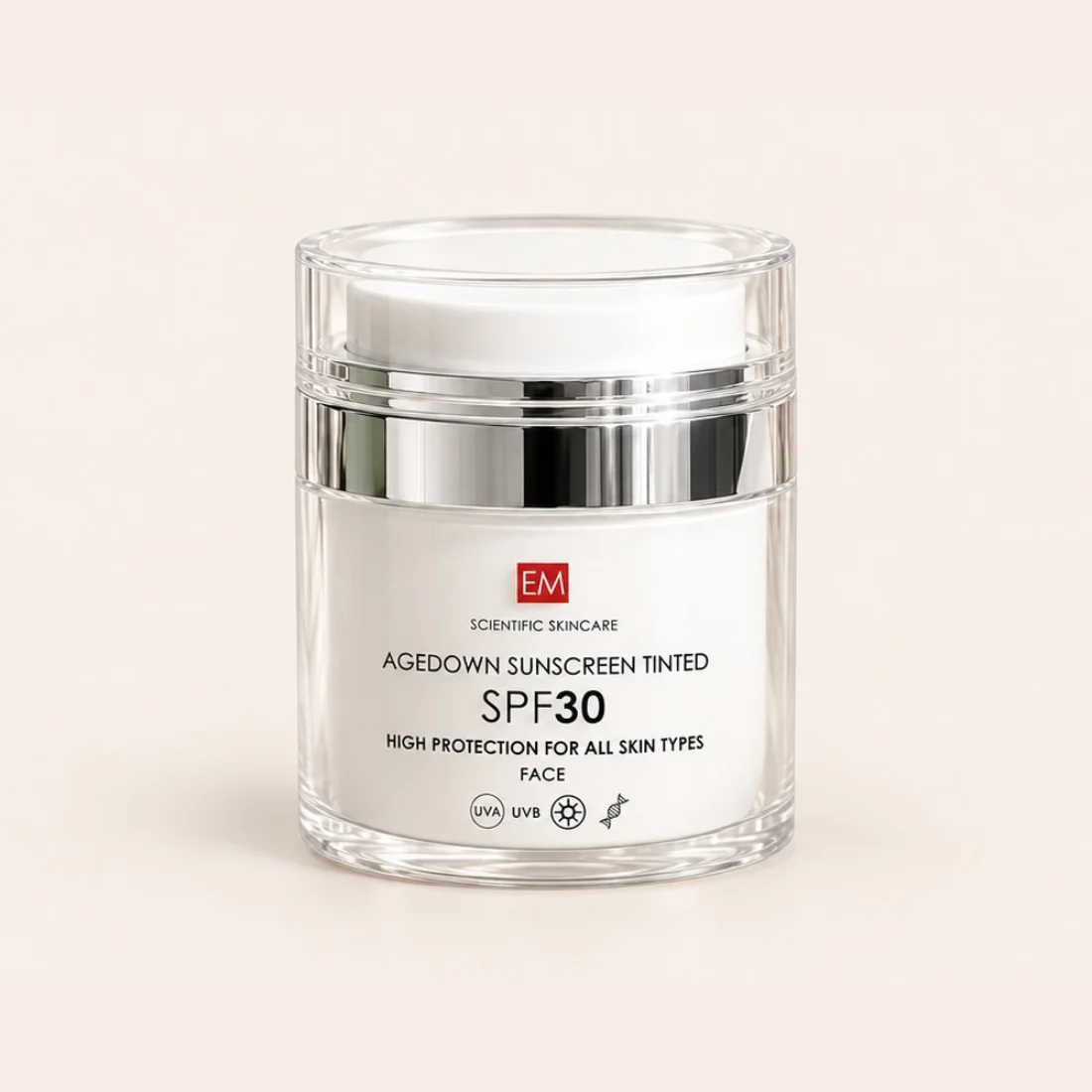
- Wear a cream with SPF 30+, such as Tinted SPF 30, on cloudy days too.
- Per a report published in The Journal of Clinical Dermatology, unprotected dry skin ages at a pace 40% quicker than skin that is shielded.
4. Exfoliate in moderation (once or twice a week)
- Pick enzyme exfoliants or mild acids (AHA, PHA) rather than gritty scrubs.
- Avoid rubbing, so the skin does not get irritated.
5. Moisturiser on damp skin
- Apply an emollient product straight after your shower or bath so the water stays in the skin.
- According to the American Journal of Clinical Dermatology, this habit cuts water loss through the skin (transepidermal water loss) by 30% within a single week.
Products for dry skin
Dry skin benefits most from products that repair the skin barrier and provide deep hydration:
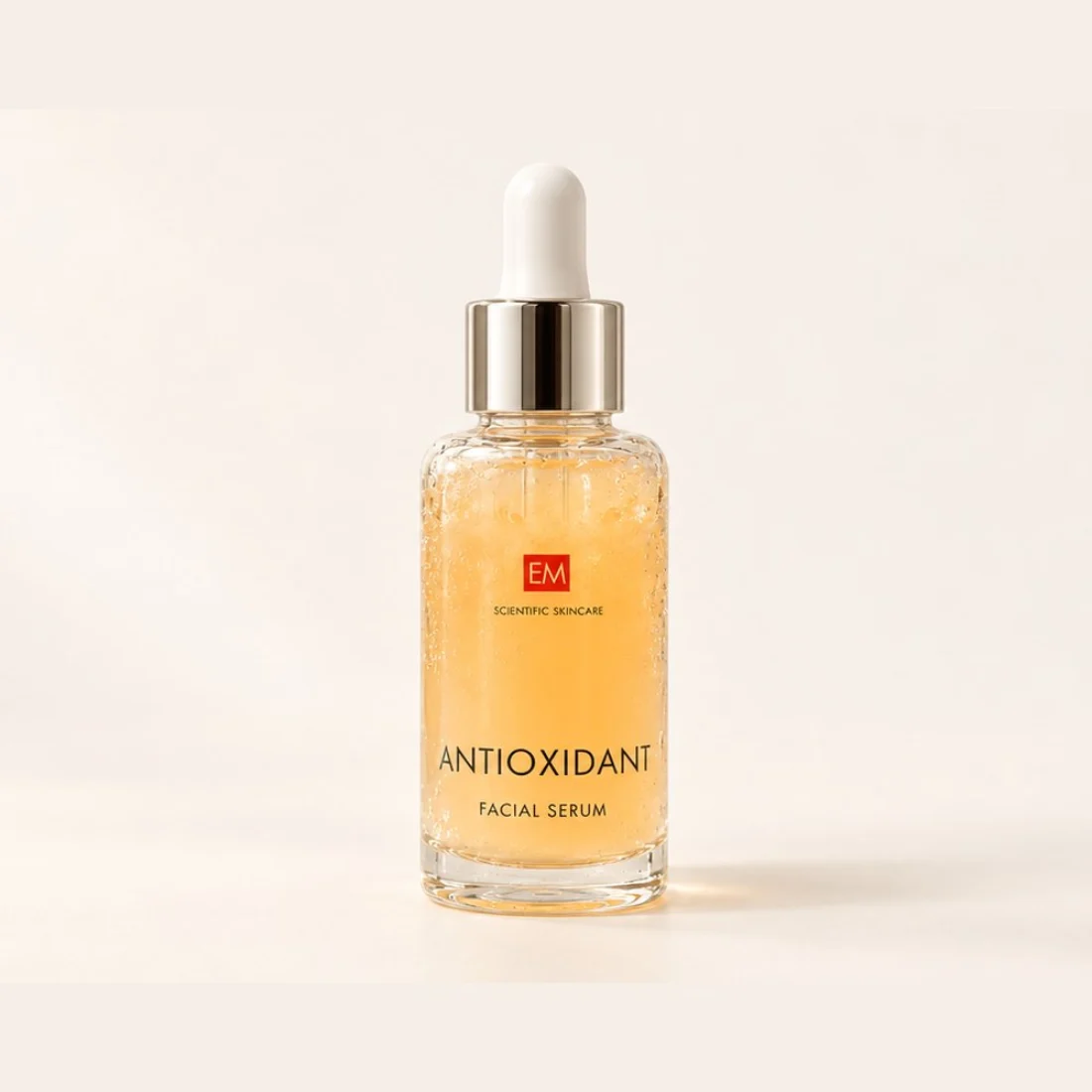
- Antioxidant, a facial serum with ferulic acid and hyaluronic acid: hydrates, provides antioxidant protection and helps the skin keep its elasticity. It shields the complexion from external stressors and gives it a brighter look.
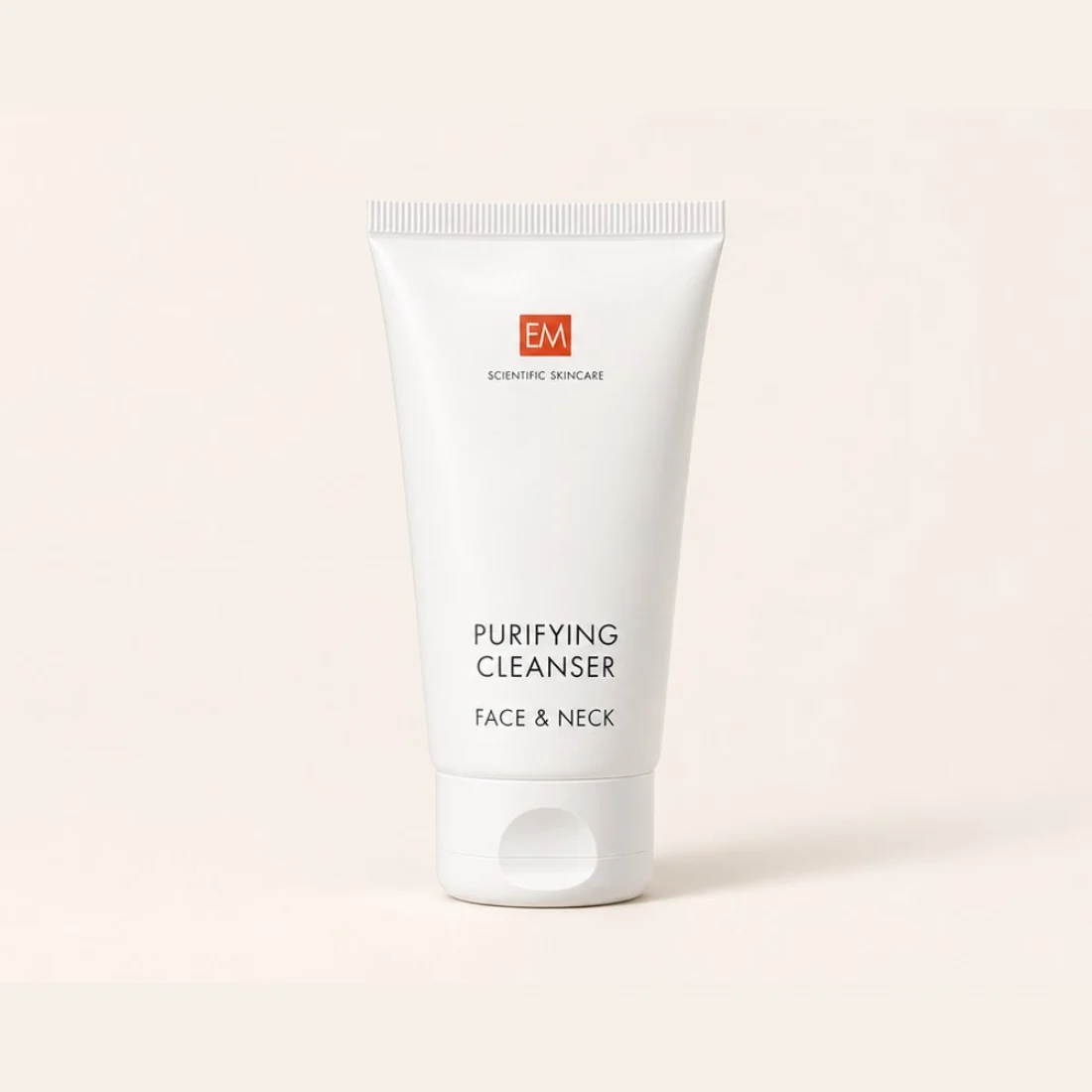
- Purifying Cleanser, a cleansing gel with glycolic acid: removes excess sebum and impurities without drying, with a light exfoliation that refines texture.
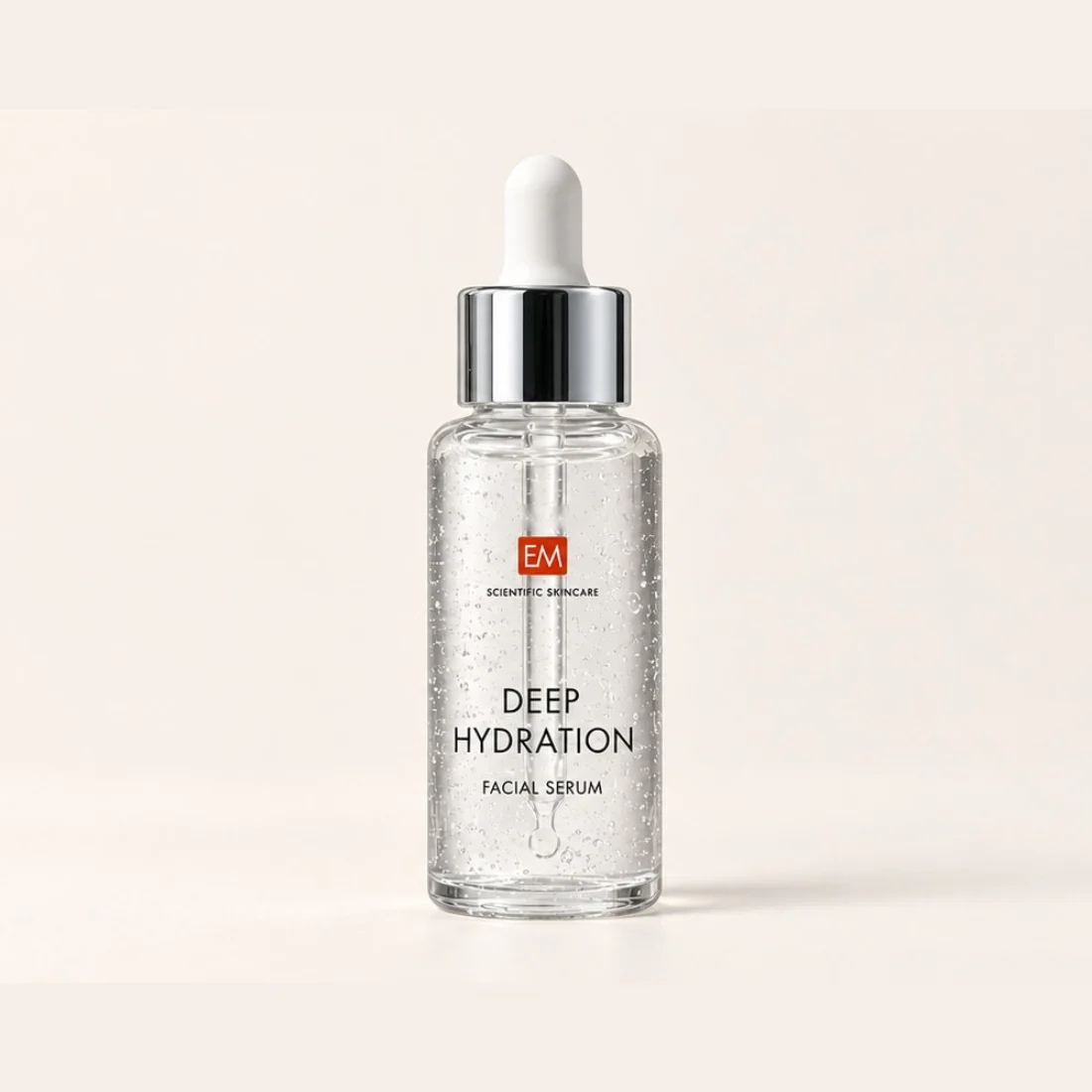
- Deep Hydration, an intensely hydrating serum with hyaluronic acid and emollients: hydrates deeply, helps restore the barrier and eases that tight feeling.
According to the British Journal of Dermatology, people who moisturise every day see a 45% improvement in skin elasticity after one month.
For more options, browse the Dry skin category and the EM Skincare range, and for a full routine read our dry skin care guide.