Skincare journal ·
Caring for dry skin: signs, causes and a three-step routine
How to recognise dry skin, why it happens and what a simple cleanse–hydrate–protect routine looks like, plus the habits that help.

Dry skin is more than a cosmetic issue. When skin lacks the hydration it needs, discomfort and irritation follow and, over time, signs of ageing show up earlier. This guide helps you recognise it, understand why it happens and build a routine that fits – whether your skin is already dry or you simply want to prevent it.
Signs of dry skin
- your skin feels tight right after washing;
- the complexion looks dull, without glow;
- in more serious cases, small cracks or flaky patches appear;
- skin becomes more sensitive and irritates easily;
- fine lines appear earlier because hydration and elasticity are lower.
A few facts worth knowing
- Compared with other skin types, dry skin lets water escape more quickly. This is called transepidermal water loss (TEWL) and leads to dehydration and more visible signs of ageing.
- Hormones play a part: during menopause, for example, falling oestrogen affects collagen and sebum production and skin gets drier.
- Roughly 30% of people deal with dry skin during their lives, and it grows more common with age.
- Smoking and pollution make dehydration worse and speed up ageing.
Why skin gets dry
- Genetics – if your parents have dry skin, you are likely to have it too.
- Environment – winter cold, wind, central heating and air conditioning upset the skin’s natural moisture balance.
- The wrong products – alcohol and synthetic fragrance in many products dry the skin; look for formulas made for dry skin.
- Not drinking enough – too little water also lowers the skin’s own hydration.
For more on causes and on dry versus dehydrated skin, read Dry skin: why it happens and how to moisturise it.
A three-step routine for dry skin
The routine rests on three pillars: gentle cleansing, intense hydration and antioxidant protection. The products below are part of our dry skin selection.
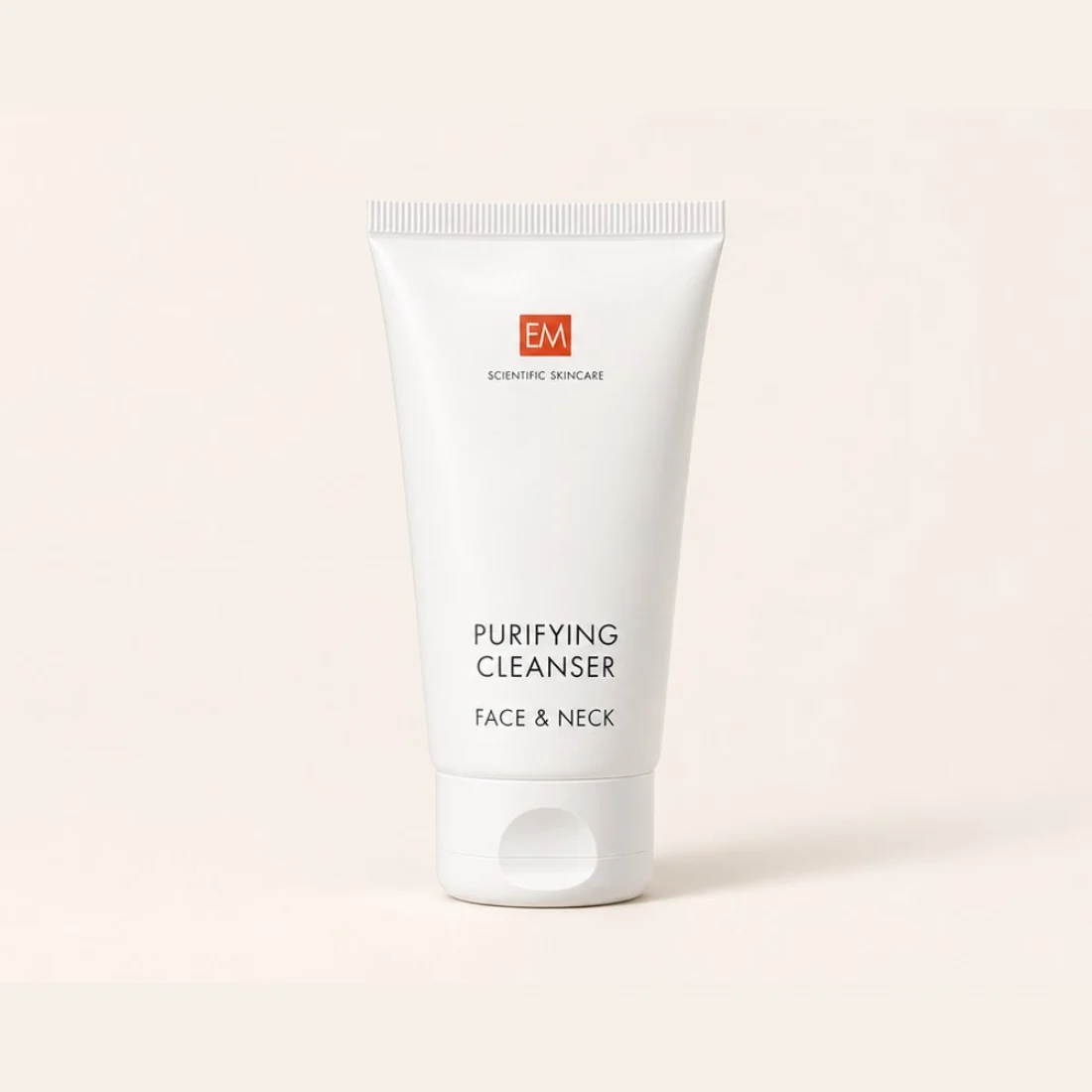
1. Cleanse – Purifying Cleanser
Start with a product that cleans without stripping natural oils. Purifying Cleanser is a gel with glycolic acid that gently exfoliates and lifts dead cells and impurities, yet its formula is mild and does not dry the skin.
- cleans deeply without leaving skin parched;
- removes the oil and grime gathered during the day;
- glycolic acid encourages cell renewal for a smoother, more even surface.
How to use: massage a little gel onto damp skin and rinse with lukewarm water, morning and evening.
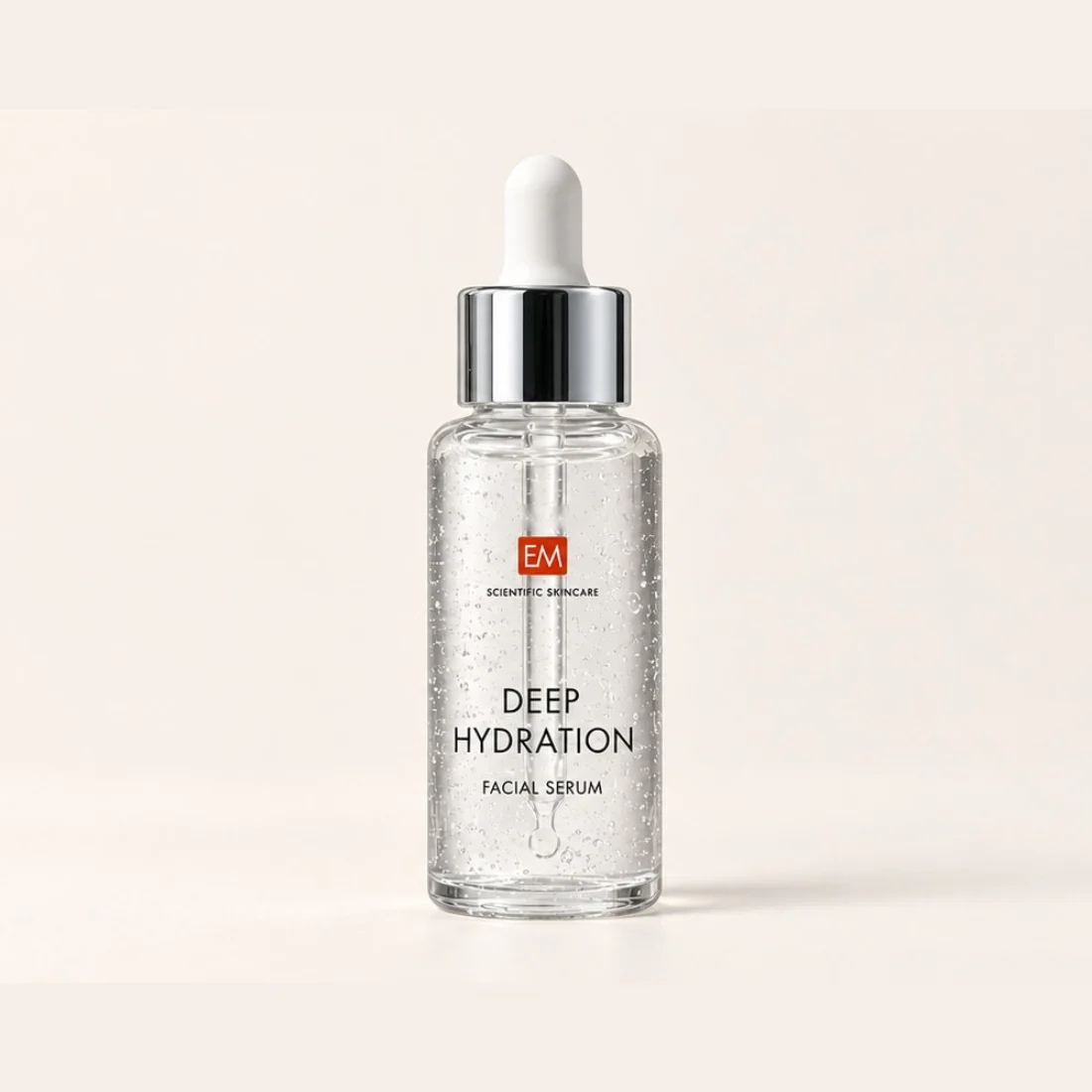
2. Hydrate – Deep Hydration Serum
Once clean, skin needs water. Deep Hydration is a serum made for dry skin that helps rebuild the protective barrier and keeps hydration up over time.
- its hydrating ingredients reach into the skin and support barrier repair;
- it reduces flaking and discomfort;
- the light texture absorbs quickly with no greasy film.
How to use: a few drops on face and neck straight after cleansing, massaged in until absorbed. Daily, morning and evening.
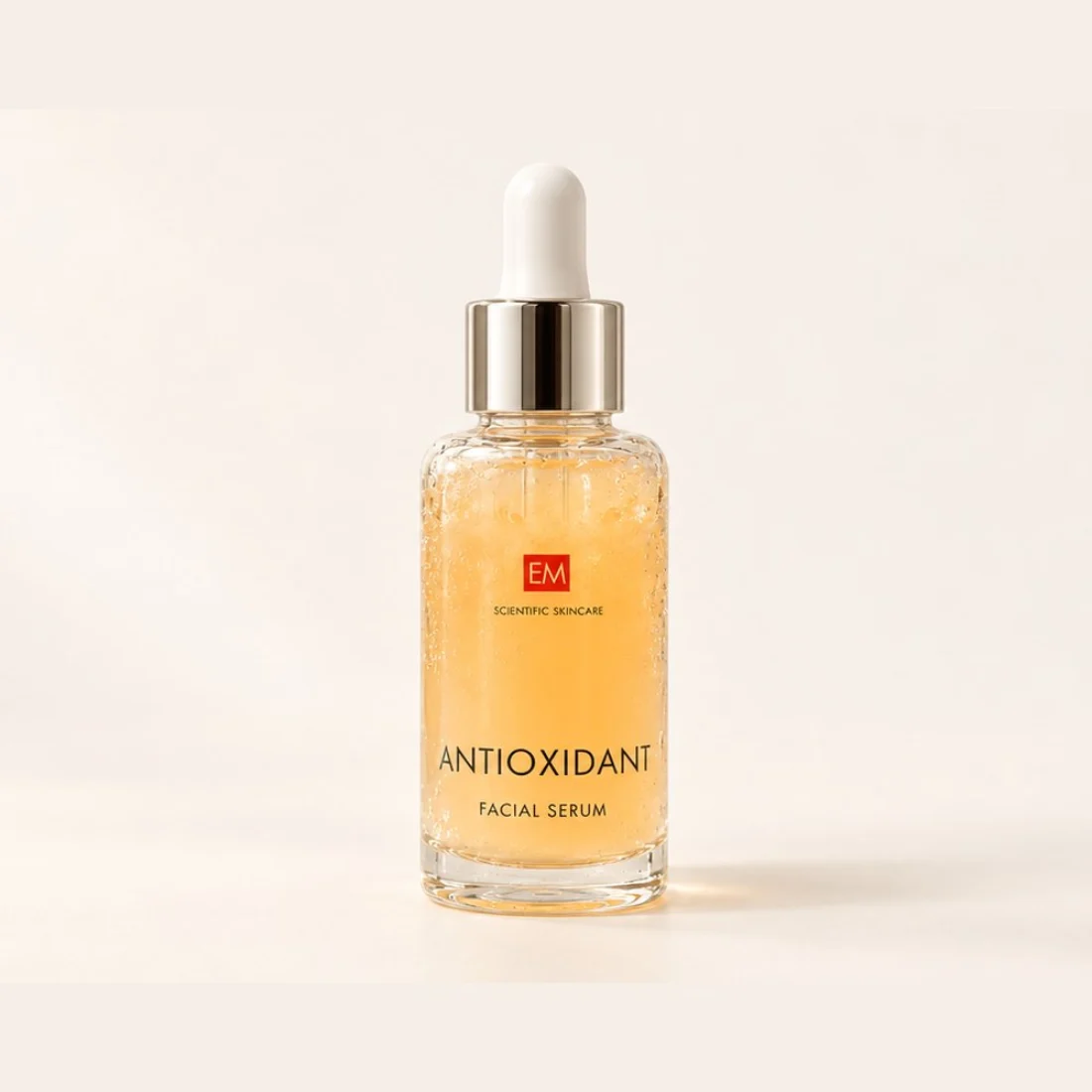
3. Protect – Antioxidant Serum
Antioxidant combines vitamins, ferulic acid and hyaluronic acid. It shields skin from free radicals, while hyaluronic acid draws in and holds water so skin does not dry out during the day.
- defends against oxidative stress and environmental factors that speed up ageing;
- keeps skin hydrated and supple;
- stimulates collagen production and improves the skin’s overall look.
How to use: in the morning, before your moisturiser, to protect against pollution and sun all day.
Habits that help dry skin
- Moisturise while skin is still damp. Right after a shower or washing your face, apply your cream to lock the water in.
- Avoid alcohol and fragrance in products; choose fragrance-free formulas for sensitive skin.
- Use a humidifier in the rooms you use most, especially in winter when indoor air is dry.
- Keep wearing sunscreen in winter. UV rays pass through clouds, dry the skin and speed up ageing; pick an SPF that also hydrates. More in our article on wearing SPF in winter.
- Eat foods rich in essential fatty acids – avocado, nuts, salmon – which support hydration and elasticity.
Exfoliation and eczema
- Dry skin benefits from exfoliation too, as long as it is gentle: once or twice a week with AHA or BHA products to clear dead cells without harming the skin.
- When the skin barrier is damaged, irritants and allergens get in more easily, and dry skin can go on to develop eczema or other skin conditions.
With suitable products and a consistent routine, dry skin becomes more comfortable and looks healthier.