Skincare journal ·
Hyaluronic acid: what it does for your skin and how to use it
How hyaluronic acid hydrates, which forms exist and how to fit it into your morning and evening routine.

Hyaluronic acid is something your body makes on its own, but the amount drops with age. That is when dehydration, fine lines and loss of elasticity show up. The good news is that you can bring it back into your routine with serums, creams or, on a doctor’s advice, injectable procedures.
What it is and how it works
It is a natural substance found in the skin, eyes and connective tissue. Its main job is hydration: it draws in water molecules and holds them in the skin. A single molecule can bind up to 1000 times its own weight in water, which makes it a very effective moisturising agent.
As natural production declines, skin loses firmness and elasticity and wrinkles become more visible. Products containing hyaluronic acid help keep the complexion hydrated and youthful-looking.
What it does for your skin
- Deep hydration – prevents dehydration and gives skin a fresh look.
- Softer fine lines – plumps wrinkles and smooths the skin’s surface.
- Elasticity – contributes to a natural firming effect.
- Antioxidant action – helps protect skin from free radicals and premature ageing.
- Renewal – supports skin repair and may help fade post-acne scars.
- Good tolerance – suits all skin types, including sensitive skin, as it is generally non-irritating.
Three forms of hyaluronic acid
- High molecular weight – stays on the surface and forms a protective layer that limits water loss.
- Low molecular weight – reaches deeper layers of the skin for intense, longer-lasting hydration.
- Cross-linked – the form used in injectable fillers, which add volume and soften wrinkles over the long term.
How to add it to your routine
- Cleanse gently with a mild gel that removes impurities without drying the skin.
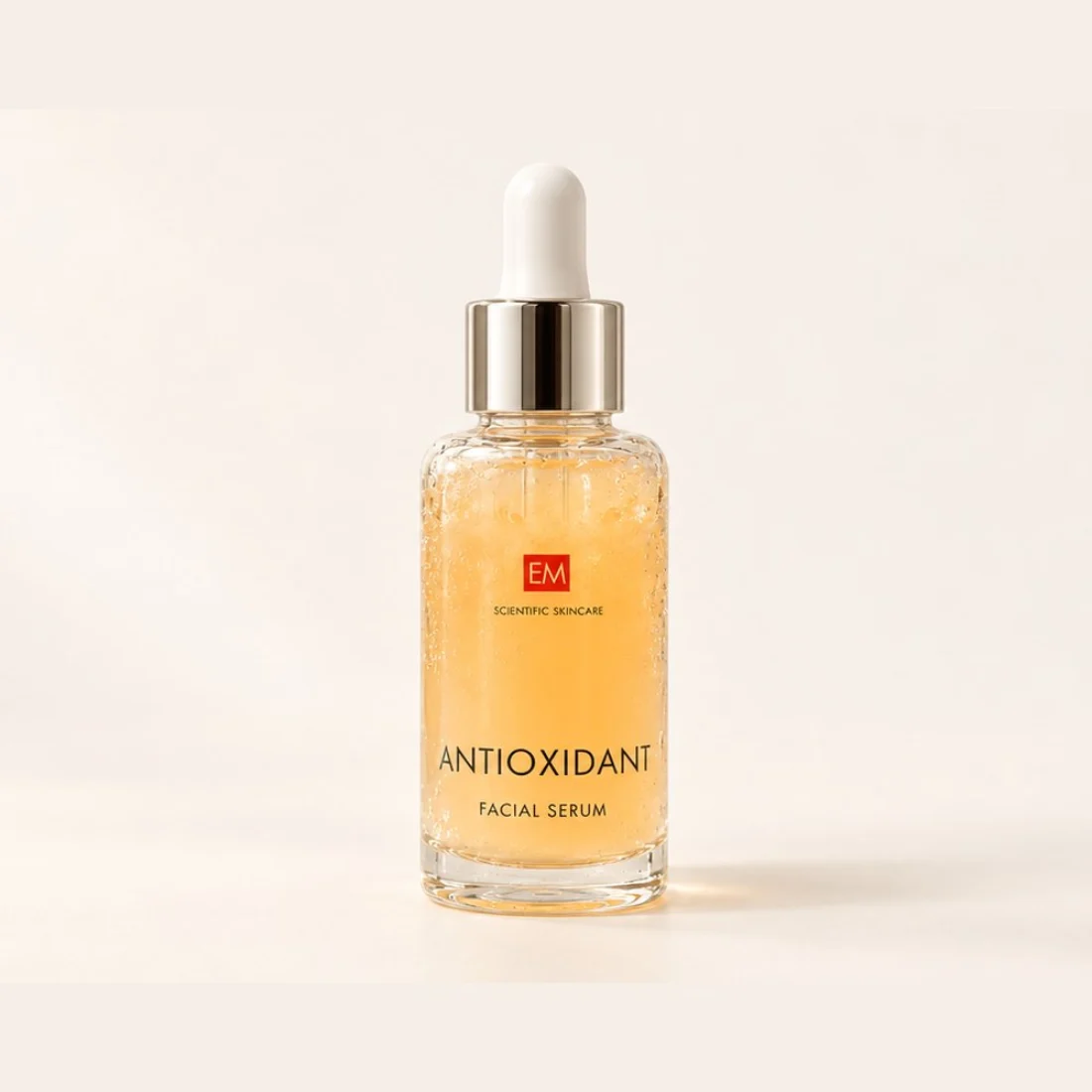
- Apply the serum. For example, Antioxidant, a serum with vitamins, ferulic acid and hyaluronic acid that keeps skin hydrated and protected.
- Seal in moisture with a cream suited to your skin type.
- Wear SPF every day to protect against UV rays.
Practical tips
- On slightly damp skin – hyaluronic acid pulls in surrounding moisture, so it hydrates better on damp skin.
- With vitamin C – together they help brighten the complexion and fade pigment spots.
- Not at the same time as strong exfoliants – AHAs, BHAs or retinol applied simultaneously can reduce how well hyaluronic acid works.
FAQ
Can I use it every day?
Yes, it is suitable for daily use, morning and evening.
Can it cause side effects?
It is usually well tolerated by every skin type. Some people may notice temporary dryness if they skip moisturiser after the serum.
At what age can I start?
You can start from around 20–25 as part of preventive care.
Topical or injectable?
It depends on your goals. Serums and creams keep skin hydrated and radiant, while hyaluronic acid injections are used to correct wrinkles and restore volume.
Morning or evening?
It works at both times. In the morning, apply it before moisturiser and sunscreen so hydration lasts through the day. In the evening it can sit in the same routine as retinol or niacinamide, which adds a renewing effect.
Whether you choose a serum, a cream or an injectable procedure, pick products that suit your skin type.