Skincare journal ·
Scars: why they form and your options for softening them
Scars can be hypertrophic, keloid or atrophic, and each type calls for a different approach. Here is what you can do at home, which procedures exist and which mistakes to avoid.
Marks left by acne, a cut or surgery can stay visible for a long time. The good news is that there are several ways to care for them, from everyday products to procedures carried out by a specialist. If the wound is still fresh, also read what to put on a wound to help it heal faster.
How a scar forms
Scarring is part of normal healing: to close a wound, the skin produces collagen. How the scar ends up looking depends on the type of injury, its size and depth, and where it is on the body.
A 2022 study found that around 80% of people are left with permanent scars after accidents or surgery.
The three main types
Hypertrophic scars
Raised and reddish, they usually follow burns or deep wounds. With the right care they can become less intense.
Keloid scars
They come from excessive collagen production and can spread beyond the edges of the original wound. They are more common in people with darker skin.
Atrophic scars
These are dips in the skin, usually left by acne or chickenpox. They call for more complex procedures such as laser or microneedling.
Caring for hypertrophic scars
Results usually come from combining specialist treatment with care at home:
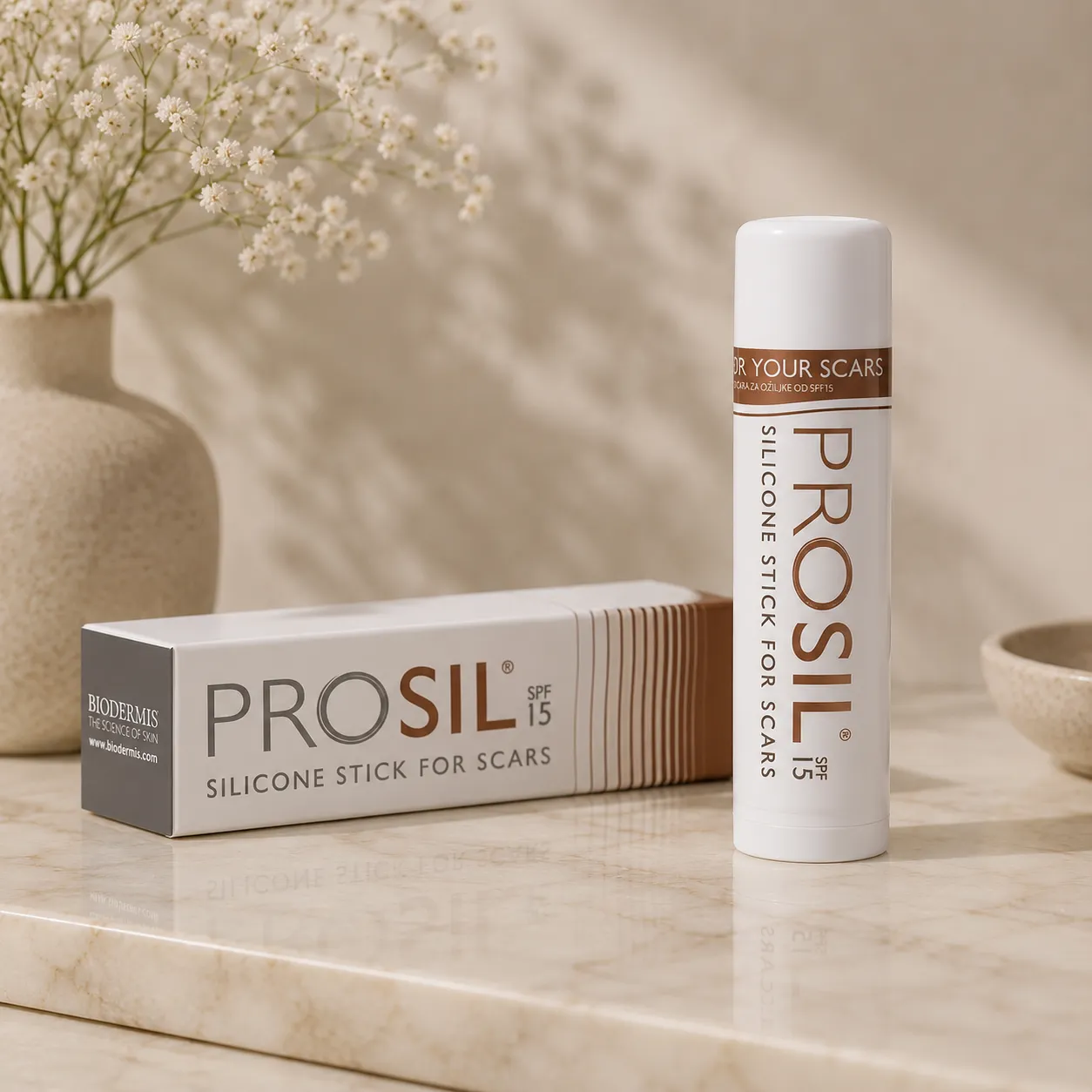
- Silicone sheets or gel. One example is PRO-SIL Stick, developed by Biodermis. It leaves a semi-permeable film that holds in moisture while letting the skin breathe, which supports regeneration. It can be used on hands, face, neck, elbows, knees and ankles, and comes as a compact 4.25 g stick that is easy to use every day.
- Gentle massage of the area, which boosts circulation and relaxes the tissue.
- Creams with natural ingredients such as aloe vera or onion extract, which moisturise and support skin renewal.
Available procedures
Non-invasive options
- Microneedling: stimulates collagen and refines texture.
- Laser: evens out colour and texture.
- Silicone (sheets, gels or the PRO-SIL stick), suited to daily use.
Invasive options
- Surgical excision for severe cases, such as extensive keloids.
- Steroid injections, which reduce inflammation and the volume of raised scars.
- Skin grafts for large areas of damage, such as after burns.
Home remedies for small marks
- Coconut oil or cocoa butter moisturise and improve how the skin looks.
- Honey has antibacterial properties and supports healing.
- Calendula or vitamin E creams are useful on fresh wounds to lower the chance of marks.
Mistakes that can make scars more visible
- Leaving the wound uncovered. Skin repairs better in a moist environment.
- Picking scabs too early. This can leave permanent marks.
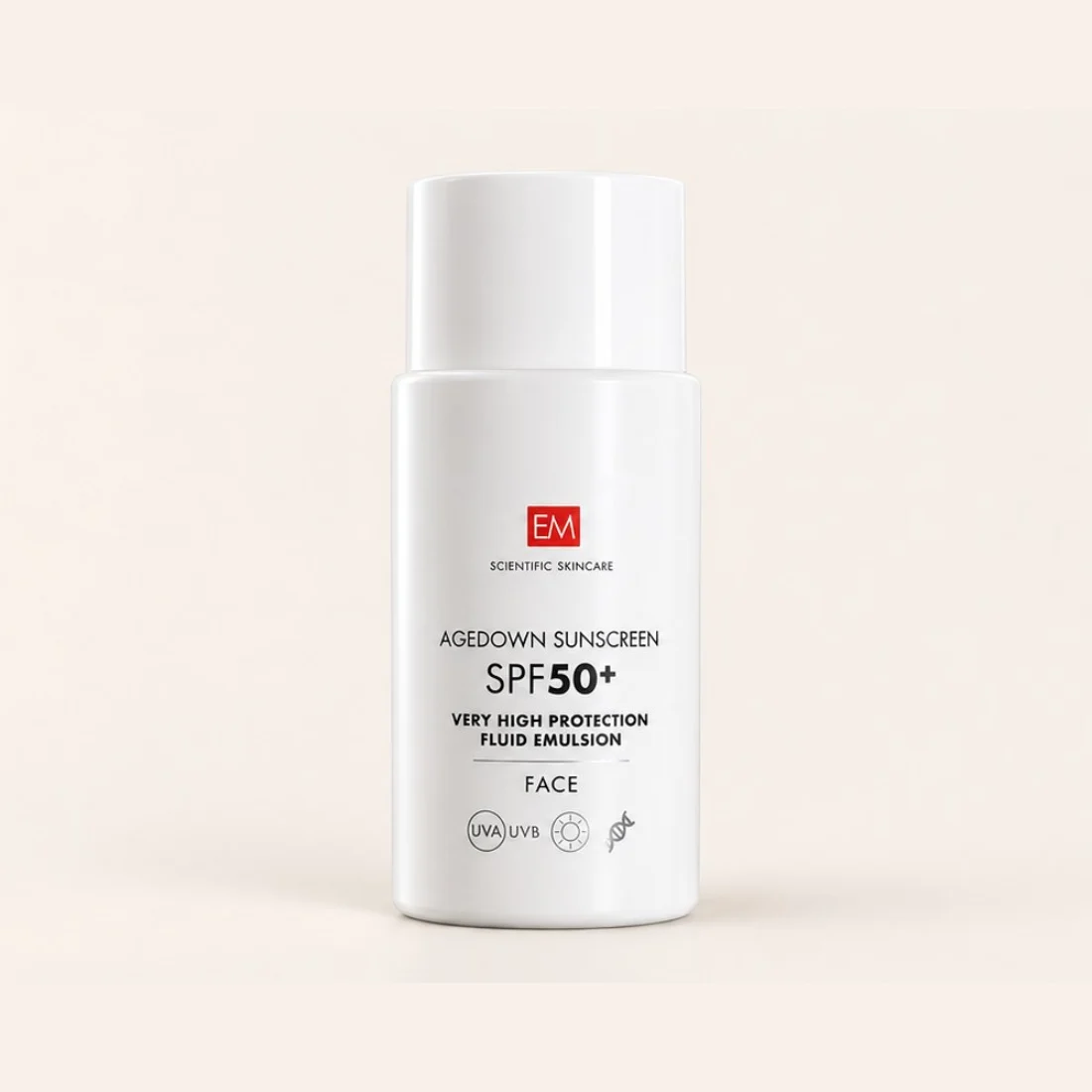
- Sun without protection. Use an SPF 50+ cream such as Agedown Sunscreen SPF 50+ so the scar does not darken.
- Irritating products. Alcohol and hydrogen peroxide dry out and irritate the skin.
FAQ
Can a raised scar disappear completely?
Its appearance can improve a lot, but whether it goes away entirely depends on the type and severity of the scar.
How long should PRO-SIL Stick be used?
Results show after 8–12 weeks of consistent use, twice a day.
Which natural ingredients help skin texture?
Honey, vitamin E creams, plus coconut oil or cocoa butter.
What can make a scar worse?
Unprotected sun exposure, removing scabs too soon and irritating products.
Which scars is PRO-SIL Stick suitable for?
Both raised and depressed scars, including delicate zones like the face or neck.